Posted by Nicholas Forth
on June 12, 2021

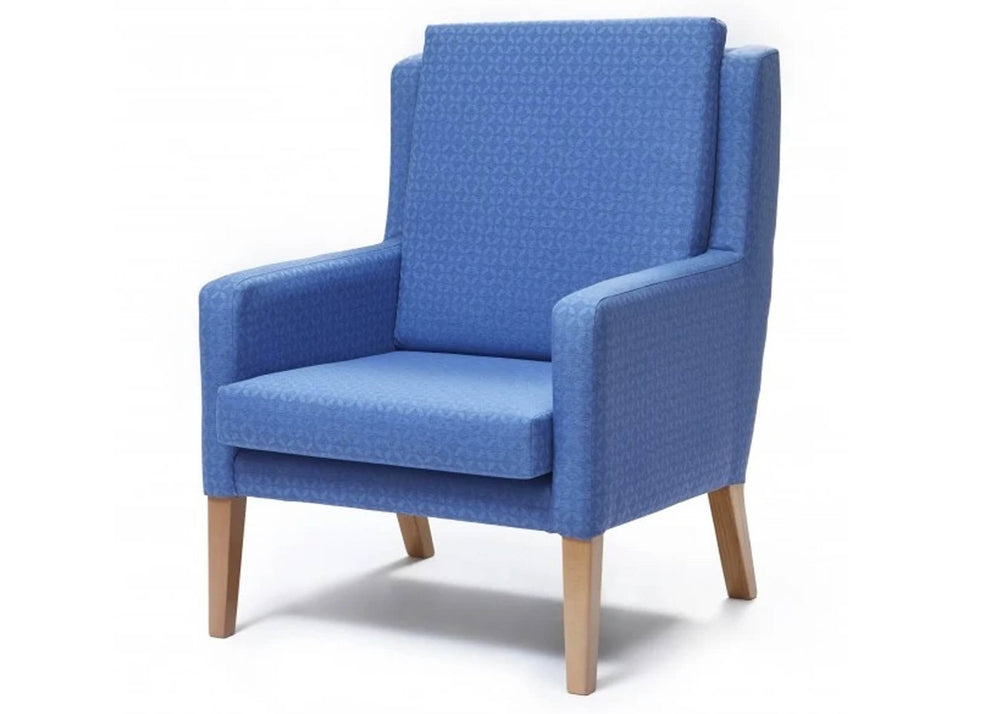
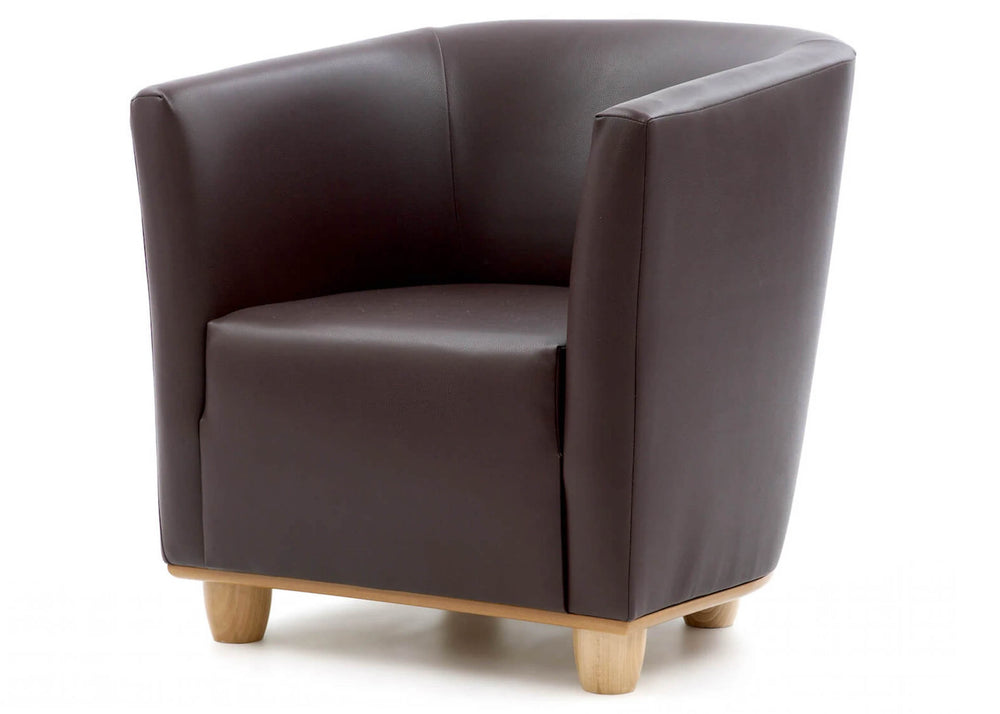
A reinforced sofa for challenging behaviour is designed for environments where standard domestic seating may not provide the required durability, stability or resistance to damage. Depending on the setting, furniture may experience repeated heavy use, impact, pulling, picking or attempts to move or access vulnerable components.
For this reason, suitable challenging behaviour furniture needs to be considered as a complete system. Internal frame construction, upholstery, accessible parts and overall stability can all influence how well a sofa performs in a demanding environment.
There is no single specification suitable for every user or setting. This guide explains the main features to assess when choosing reinforced seating for challenging environments, and how specialist seating differs from an ordinary heavy-duty sofa. You can also explore our current range of reinforced sofas and specialist seating.
What Makes a Sofa Suitable for Challenging Behaviour?
A sofa suitable for challenging behaviour needs to be designed around the stresses it is likely to experience. In a shared lounge or specialist setting, this can include repeated heavy use, impact, pulling at upholstery, picking at accessible components or attempts to move the furniture.
The internal frame is therefore one of the most important areas to assess. Reinforced sofas may use stronger rails, joints and fixings around the areas that experience the greatest load, helping to reduce flex and movement over time. A heavier sofa is not automatically a stronger one; the way the frame is constructed and reinforced matters more than appearance alone.
Suitability also depends on how the rest of the sofa works with that structure. Upholstery, removable parts, underside access and overall stability can all become weak points if they are not matched to the expected use of the environment.
Reinforced Beds Insight
Reinforcement should respond to the risks identified in the environment rather than to a diagnosis alone. The right level of strength and protection can vary significantly between users and settings.
This is what separates genuine challenging behaviour furniture from a sofa that is simply described as heavy duty or strong.
Upholstery and Tamper Resistance
The frame provides structural strength, but upholstery and accessible components are often the areas most exposed to day-to-day damage. In challenging environments, a sofa may need to cope with repeated friction, pulling, picking, staining or more intensive cleaning than standard domestic furniture.
Durable contract fabrics, specialist vinyls and other high-performance coverings can help where abrasion resistance, cleaning or additional protection against wear is important. The Martindale test is useful for comparing abrasion resistance, but it does not measure every type of damage. A fabric can perform well against rubbing while still being vulnerable to picking or tearing.
Accessible components also need consideration. Exposed fixings, zips, loose cushions, removable feet, staples or materials beneath the sofa can become weak points where tampering is a known risk. In these cases, challenging behaviour seating may use construction methods that reduce access to vulnerable parts.
The correct balance depends on the environment. Some settings may simply need durable upholstery and fixed seating, while others may require a greater level of tamper resistance and easier-clean surfaces.
Heavy Duty vs Challenging Behaviour Sofas
A heavy-duty sofa and a challenging behaviour sofa are not necessarily the same thing. Heavy-duty seating is generally designed to cope with frequent use, higher loads or greater levels of everyday wear, while challenging behaviour furniture may need to address additional risks such as impact, tampering, picking or attempts to move the furniture.
Weight capacity is a good example of the difference. A sofa may be rated for heavier users without having reduced-access components, tamper-resistant detailing or the upholstery specification required for a more demanding environment.
Likewise, challenging behaviour seating does not always need the highest possible weight rating. The most suitable option is the one that matches the actual stresses expected in the setting rather than simply offering the greatest quoted strength.
If higher user weight is the main concern, our guide to sofa weight limits and strong sofas explains load capacity and structural support in more detail.

Where Are Challenging Behaviour Sofas Used?
Challenging behaviour sofas can be used wherever standard domestic seating is unlikely to provide sufficient durability, stability or resistance to damage.
Typical settings can include supported accommodation, residential care, specialist care environments, communal lounges, some mental health facilities and private homes where additional furniture durability has been identified as necessary.
The setting itself does not determine the specification. A private home, supported-living property and high-use communal lounge may each require very different levels of reinforcement, upholstery performance and tamper resistance.
For mental health and specialist care environments, furniture selection should form part of the wider room and risk assessment. Our guide to choosing furniture for a mental health facility explores these wider considerations in more detail.
What Should You Check Before Choosing a Sofa?
Before comparing challenging behaviour furniture, identify the demands the sofa is likely to face and which features actually matter in that setting.
- Expected use: Will the sofa be used occasionally, throughout the day or by multiple people?
- Movement risk: Could the furniture be pushed, dragged or lifted?
- Accessible parts: Are fixings, zips, feet, loose cushions or underside materials vulnerable?
- Upholstery: Does the covering need to resist abrasion, picking, tearing or frequent cleaning?
- Weight support: Is the sofa appropriately rated for the intended users?
- Room layout: Does the furniture fit without restricting circulation or creating avoidable hazards?
- Setting requirements: Are there relevant fire-performance, cleaning or procurement requirements?
Reinforced Beds Insight
The strongest sofa is not automatically the most appropriate sofa. The right choice is the one that matches the actual risks, level of use and practical requirements of the environment.
Challenging Behaviour Sofas at Reinforced Beds
Reinforced Beds supplies reinforced sofas and specialist seating for environments where standard domestic furniture may not provide the required level of durability.
Depending on the model and specification, seating can be selected for frequent contract use, higher user weights or more demanding challenging behaviour environments. These requirements are not interchangeable, so the individual product specification should always be checked against the intended use.
You can compare our current reinforced sofas and specialist seating, or explore our wider challenging behaviour furniture range for furniture designed for more demanding environments.
Final Thoughts
A sofa for challenging behaviour should be chosen around the demands of the environment rather than strength alone. Frame construction, upholstery, accessible components, stability and expected use all play a part in determining whether the seating is suitable.
The right specification will vary between settings, so it is important to match the furniture to the actual risks and practical requirements involved. Where additional durability is needed, reinforced sofas can provide a more appropriate alternative to standard domestic seating.

Nicholas Forth

Director
Nick has put his 15 years of industry expertise into his blog posts. With the goal of making customers more informed, he provides insight into bed design, durability, and the best choices for different lifestyles and needs. His writing combines technical knowledge with practical advice, helping readers understand what really matters when choosing a bed or mattress. Whether breaking down material differences, exploring trends in bedroom design, or sharing tips on maximising comfort, he ensures every post is both educational and easy to follow.