Posted by Shane Cousins
on March 18, 2025

A bariatric bed is designed for situations where greater weight support, structural stability or specialist functionality is required than a standard bed may provide. The term can apply to different types of beds, from reinforced domestic-style frames for heavier sleepers to specialist profiling beds used in care and clinical settings.
Because bariatric beds are not all built in the same way, features such as adjustable height, side rails, electric profiling or hoist access should never be assumed. The most important factors are the stated weight capacity, frame construction, mattress support system, bed dimensions and the needs of the intended user. This guide explains what bariatric beds are used for, how they can differ from standard beds and what to check before choosing one.
Contents
- What Is a Bariatric Bed?
- What Are Bariatric Beds Used For?
- How Can a Bariatric Bed Differ From a Standard Bed?
- Understanding Bariatric Bed Weight Capacity
- What Should You Check Before Buying or Specifying a Bariatric Bed?
- Bariatric Bed or Heavy-Duty Reinforced Bed?
- Frequently Asked Questions
What Is a Bariatric Bed?
A bariatric bed is designed to provide greater weight support, structural stability or specialist functionality than a standard bed. The term can cover both reinforced domestic-style frames and specialist care or medical beds.
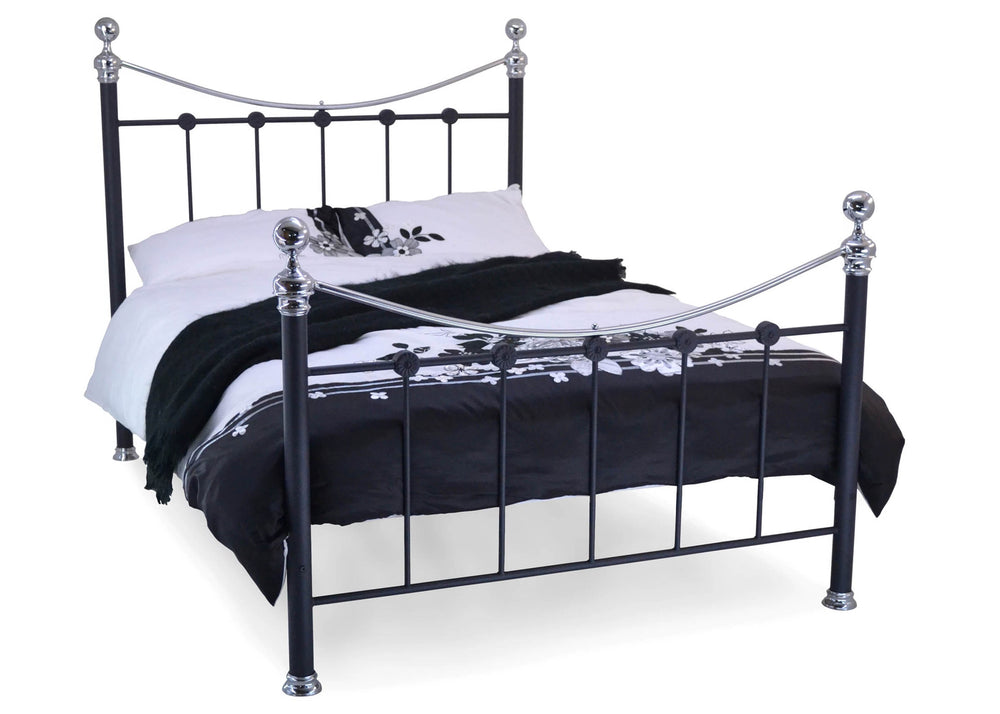
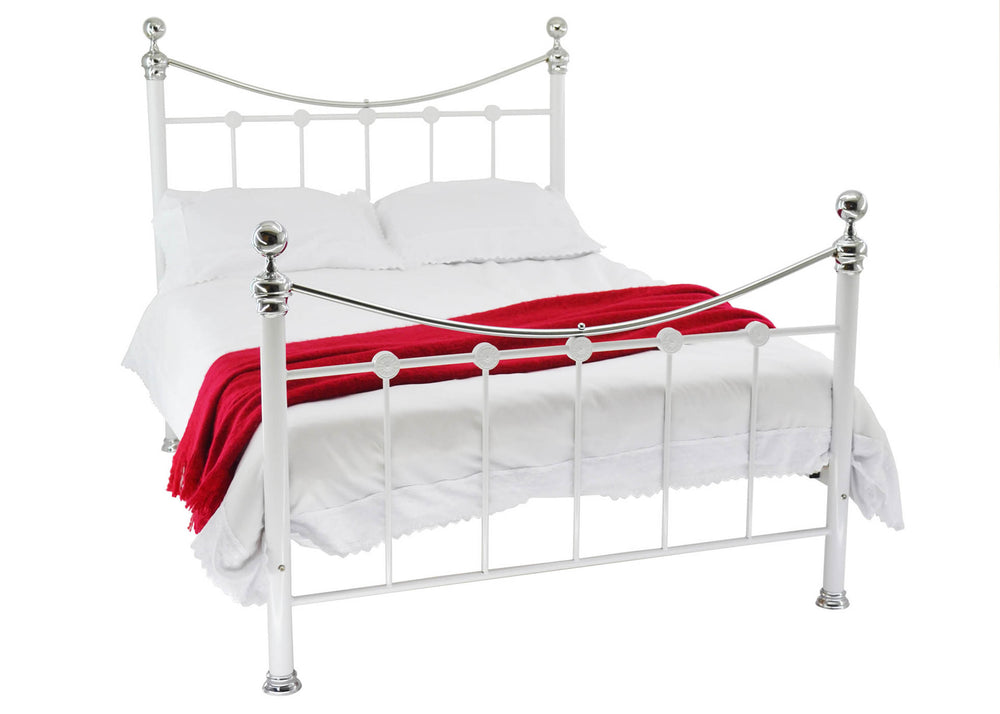
Because designs vary, features such as electric profiling, adjustable height or safety accessories should not be assumed. Always check the frame construction, mattress support, weight guidance and intended use. For domestic options, see our bariatric bed frames.
What Are Bariatric Beds Used For?
Bariatric beds are primarily used where a standard bed does not provide the required weight support, stability, dimensions or specialist functionality for the intended user. The exact requirement depends on the sleeper, the environment and how the bed will be used.
Home Use
In a domestic setting, a bariatric or reinforced bed may be chosen for a heavier sleeper who needs a higher stated weight capacity and a more substantial frame. Couples may also need to check both individual and total weight guidance to make sure the selected bed is suitable for both users.
Care and Supported Living
In care or supported living environments, additional considerations can include durability, mattress compatibility, bed height, available space around the frame and ease of access. Where transfers or mobility support are involved, the bed should form part of the wider equipment and risk assessment rather than being selected on weight capacity alone.
Clinical and Medical Settings
Some specialist bariatric beds used in healthcare settings include features such as electric profiling, adjustable height, wider sleeping platforms or compatible safety accessories. These are model-specific clinical features and should not be treated as standard on every bariatric bed.
How Can a Bariatric Bed Differ From a Standard Bed?
The main differences are usually found in the load-bearing structure, mattress support system, stated weight capacity and, where required, the dimensions or specialist functions of the bed.
A bariatric bed may use more substantial side rails, joints, fixings and mattress support components than a standard frame. However, construction varies between models, so a higher weight rating should always be considered alongside how the bed is actually built.
| Area | What to Check | Why It Matters |
|---|---|---|
| Weight rating | Per-user and total weight guidance | Confirms whether the bed is suitable for the intended user or users |
| Frame structure | Side rails, joints, fixings and other load-bearing components | These components affect stability and how load is transferred through the frame |
| Mattress support | Mesh, slats or a supported platform | The mattress base plays an important role in supporting and distributing load |
| Dimensions | Sleeping area and overall external size | Affects comfort, access and the space required around the bed |
| Specialist features | Profiling, height adjustment, rails or other accessories where required | These should be specified separately where they are needed |
Reinforced Beds Insight: Bariatric is not a construction method on its own. A high stated weight limit should be considered alongside the mattress base, frame structure, joints and intended use.
If you want a deeper look at the structural features that can increase strength and stability, see our guide to what makes a bed frame heavy duty.

Understanding Bariatric Bed Weight Capacity
There is no single weight limit that defines every bariatric bed. Capacity varies between manufacturers and individual models, so the stated weight guidance should always be checked before choosing a frame.
It is also important to understand how that figure is presented. Some specifications refer to a limit per user, while others state a maximum total load for the bed. Bed size can also affect the permitted capacity, so a rating shown for one version of a frame should not automatically be applied to every size.
For Reinforced Beds products, our weight guide explains how our bed weight limits are stated, including the difference between individual and total guidance.
Reinforced Beds Insight: Do not choose a frame from the words heavy duty or bariatric alone. Check the model-specific weight guidance and confirm exactly what the stated figure refers to.
What Should You Check Before Buying or Specifying a Bariatric Bed?
The right bariatric bed should be selected around the intended user, the required weight support and the environment in which the bed will be used. Weight capacity is important, but it should not be the only factor considered.
Required Weight Support
Start by checking the weight of the intended user or users against the manufacturers stated guidance. Where two people will share the bed, check both the individual and total weight limits rather than relying on one figure alone.
Mattress Compatibility
The mattress should be the correct size for the bed and suitable for the intended user. Its construction, weight guidance and compatibility with the mattress base should all be checked. Specialist medical beds may also have additional mattress requirements where profiling functions or safety accessories are involved.
Bed Height, Size and Room Layout
Check the overall external dimensions of the frame, not just the mattress size. Bed height, access around the frame, doorways, stairs and the delivery route can all affect whether a particular model is practical for the space.
Specialist Mobility or Care Requirements
If the user requires electric profiling, adjustable height, side rails, transfer support or compatibility with other care equipment, these features should be specified separately. A bariatric classification alone does not confirm that a bed provides them.
Long-Term Use and Maintenance
Correct assembly and ongoing checks are also important. Follow the manufacturers guidance for installation, fixings, maintenance and compatible accessories, particularly in care or supported living environments where the bed may be used intensively.
Bariatric Bed or Heavy-Duty Reinforced Bed?
A bariatric bed and a heavy-duty reinforced bed can overlap, but they are not always the same thing. If the main requirement is greater weight support, frame strength and long-term stability, a reinforced domestic-style bed may be suitable.
By contrast, users who need electric profiling, adjustable height, specialist transfer support or compatible clinical accessories may require a purpose-built care or medical bed.
The most useful approach is to start with the required function rather than the label. Check the weight guidance, construction, mattress compatibility, dimensions and any specialist features individually before deciding which type of bed is appropriate.
Final Thoughts
A bariatric bed should provide the right combination of weight support, structural stability and practical suitability for the intended user. Because designs vary considerably, the bariatric label alone is not enough to confirm whether a particular bed is appropriate.
Check the stated weight capacity, frame construction, mattress compatibility, dimensions and any specialist functions together before making a decision. If the main requirement is increased strength and support in a domestic setting, our beds for heavy people collection includes reinforced options designed for higher weight requirements.
Frequently Asked Questions
Can Two People Share a Bariatric Bed?
Yes, provided the particular bed size and weight guidance are suitable for both users. Check any per-user limit as well as the total permitted load rather than assuming that a high single-user rating will automatically suit two sleepers.
Does a Bariatric Bed Need a Bariatric Mattress?
Not necessarily. The mattress should be compatible with the bed base, correct for the required dimensions and suitable for the intended user. Specialist care or medical beds may have additional mattress requirements, particularly where profiling functions or safety accessories are used.
Do Bariatric Beds Come in Standard UK Bed Sizes?
Many reinforced bariatric beds are available in standard UK sizes, while specialist models may use different dimensions or wider sleeping platforms. Always check both the mattress size and the overall external dimensions of the bed before ordering.

Shane Cousins

Marketing Executive
Shane has been part of the Reinforced Beds team for over four years, bringing his BSc Honours degree together with a passion for helping customers find the right products. He enjoys creating buying guides and collection insights that simplify the decision-making process, while also keeping an eye on the latest bedroom and furniture trends. Beyond writing, he produces videos and media content that bring our products to life, giving customers a closer look at what makes them special.