Posted by Nicholas Forth
on June 26, 2021

Choosing mental health facility furniture requires more than simply selecting products that are durable. Furniture used within mental health facilities needs to balance safety, robustness, hygiene, everyday usability and the creation of an environment that feels comfortable rather than unnecessarily institutional.
The appropriate specification will depend on the setting, the intended users and the risks identified within that environment. Furniture for mental health units may therefore need to consider factors such as stability, removable components, ligature risk, concealment points, ease of cleaning and resistance to repeated or challenging use.
There is no single type of mental health furniture that is suitable for every facility. A lower-risk residential setting may have very different requirements from a higher-risk inpatient environment, which is why furniture should be selected according to the needs of the space rather than on strength or appearance alone.
This guide explains the main factors to consider when choosing furniture for mental health facilities, from construction and safety characteristics through to hygiene, room use and creating a more therapeutic environment.
In This Guide
- → What Makes Mental Health Furniture Different?
- → Start With the Environment and Risk Assessment
- → Key Safety Features to Consider
- → Durability and Robust Construction
- → Hygiene, Cleaning and Ongoing Maintenance
- → Choosing Furniture for Different Areas
- → Safety Without an Institutional Environment
- → Mental Health Furniture Procurement Checklist
- → When Is Specialist Mental Health Furniture Appropriate?
- → Final Thoughts
- → Frequently Asked Questions
What Makes Mental Health Furniture Different?
Mental health furniture is selected against a broader set of requirements than ordinary domestic furniture. Comfort and appearance remain important, but construction, stability, inspection, cleanability and the potential risks created by individual components can carry much greater significance.
General contract furniture may be built for intensive commercial use, but durability alone does not make a product suitable for a specialist mental health environment. Depending on the required specification, attention may also need to be given to exposed fixings, detachable components, concealment opportunities, potential ligature points and resistance to dismantling or misuse.
Reinforced Beds Insight
Heavy-duty and specialist mental health furniture are not interchangeable terms. Heavy-duty describes greater structural durability; specialist furniture may incorporate additional design characteristics intended to address specific risks.
Start With the Environment and Risk Assessment
Before choosing furniture for a mental health facility, the starting point should be the environment in which it will be used. Different settings create different levels and types of risk, so furniture that is appropriate for one area may be unsuitable for another.
Consider how the room will be used, who will use it and how much supervision is normally present. A communal lounge, for example, may prioritise durability, stability and cleanability, while a bedroom may require closer consideration of removable components, concealment points, fixing methods and ligature risks.
The expected level of use should also influence the specification. Furniture used continuously in a busy mental health unit may need to withstand considerably more movement, impact and repeated cleaning than furniture used in a lower-occupancy residential setting.
Risk assessment should therefore guide the furniture specification rather than the other way around. Factors such as whether an item can be moved, dismantled, damaged or used in an unintended way should be considered alongside comfort, appearance and everyday functionality.
This approach helps avoid both under-specifying furniture for higher-risk environments and unnecessarily using highly restrictive products in spaces where a more conventional design may be appropriate.
Key Safety Features to Consider in Mental Health Furniture
Safety requirements for mental health furniture vary according to the environment, service users and assessed level of risk. Rather than looking for a single feature or label, it is more useful to consider how the furniture is constructed, how it can be accessed and whether individual components could create additional risks during everyday use.
Ligature Risk
In some mental health settings, furniture may need to be assessed for potential ligature points. This can include protrusions, gaps, handles, rails, exposed fittings or other areas where a ligature could potentially be attached.
The term anti-ligature furniture is often used broadly, but suitability depends heavily on the specific product and the environment in which it is used. Reduced-ligature design should therefore form part of a wider risk assessment rather than being treated as a guarantee that an item is suitable for every mental health facility.
Dismantling and Misuse
Furniture should also be considered in terms of whether parts can be removed, loosened or dismantled. Exposed fixings, detachable components, removable panels and easily broken parts may introduce risks that would not normally be significant in a domestic environment.
For higher-risk settings, construction methods may therefore prioritise secure fixings, fewer detachable components and greater resistance to tampering. Stability is equally important, particularly where furniture could potentially be lifted, moved or used in an unintended way.
Concealment and Access
Closed compartments, inaccessible voids and removable components can create areas that are difficult to inspect. Depending on the environment, this may influence whether open storage, simplified construction or furniture with easier visual access is more appropriate.
These considerations should be assessed alongside the normal practical requirements of the room. Furniture still needs to provide useful storage, seating or sleeping space, but the way those functions are delivered may need to change in environments where safety and inspection are higher priorities.
Choosing Furniture for Different Areas of a Mental Health Facility
Different areas of a mental health facility place different demands on furniture. Bedrooms prioritise sleeping, privacy and personal storage, while communal and activity spaces may experience considerably greater movement, shared use and day-to-day wear.
Mental Health Bedroom Furniture
Beds, mattresses, bedside units and wardrobes need to provide practical everyday functionality while meeting the specification required for the bedroom. Depending on the setting, particular attention may be given to bed construction, furniture stability, storage design and the accessibility or removability of individual components.
Mattress specification may also be important where greater resistance to damage, moisture or repeated cleaning is needed. Where increased structural strength and resistance to challenging use are required, our beds for challenging behaviour provide options developed for more demanding care and residential settings.
Lounges and Communal Areas
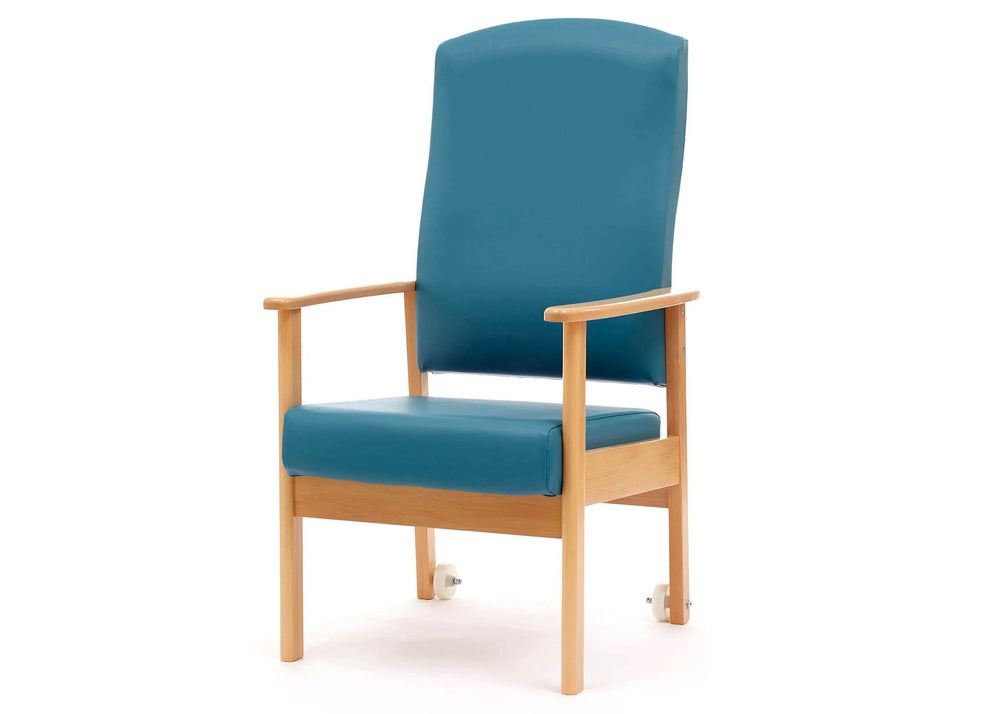
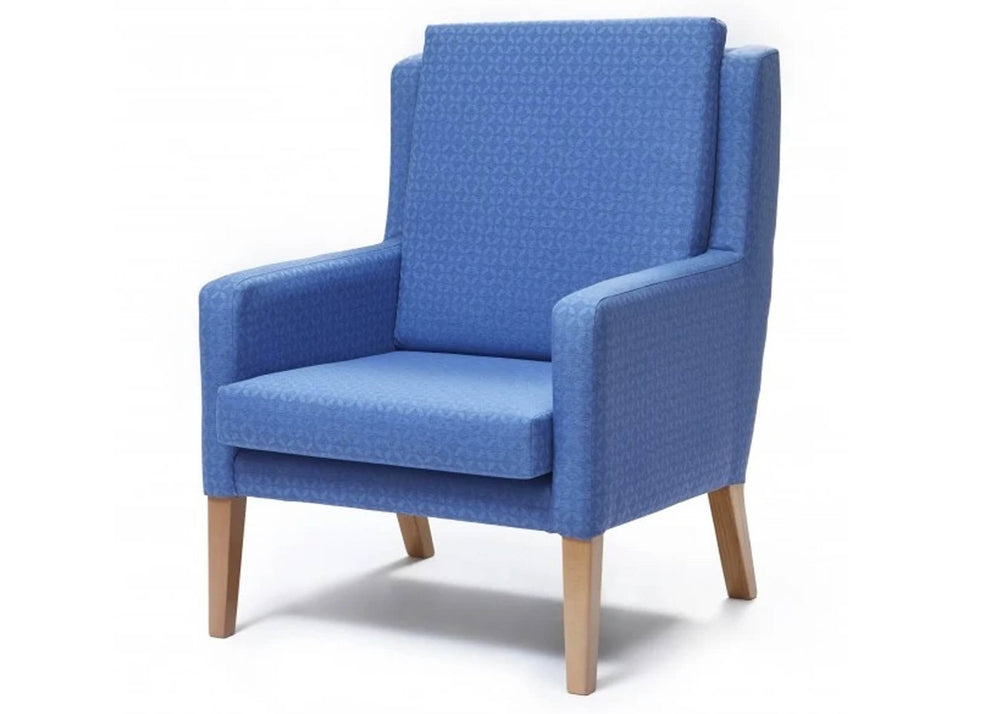
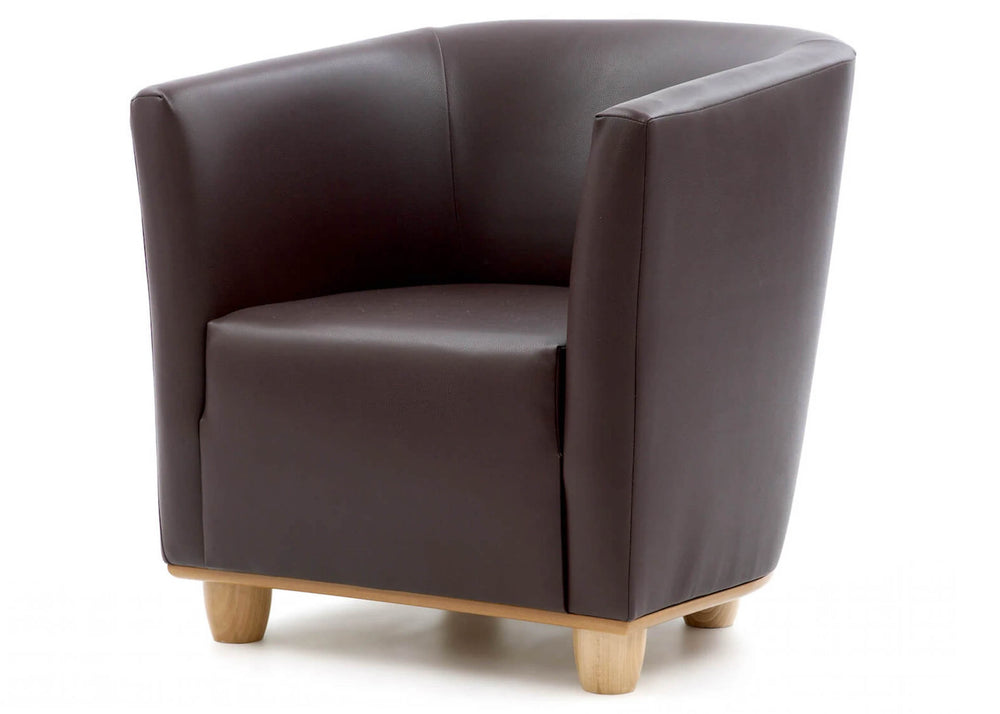
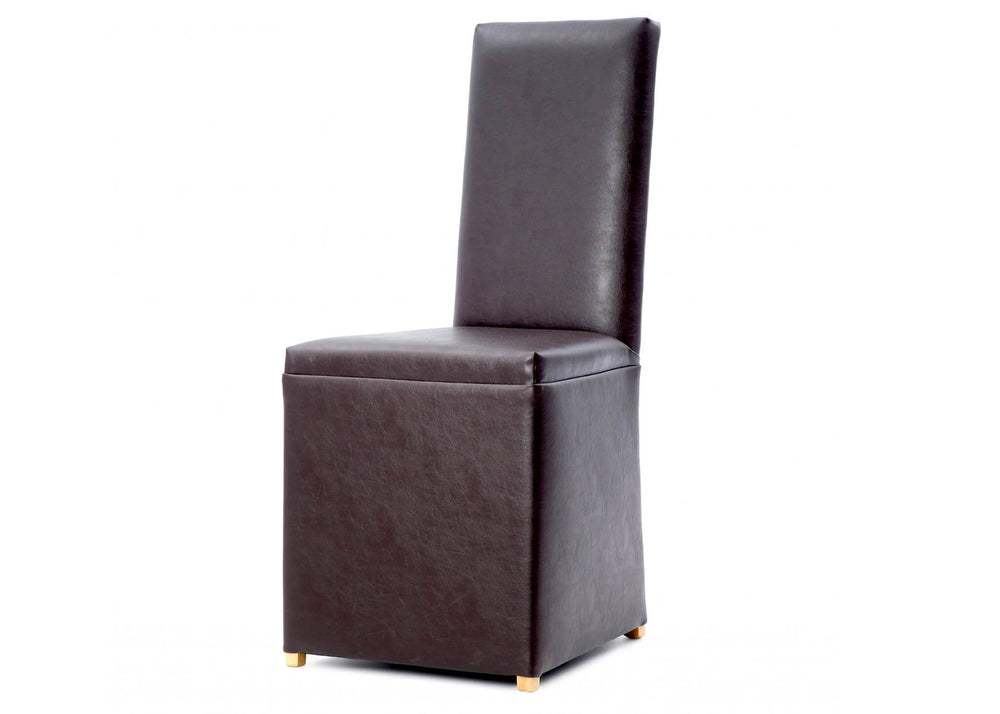
Communal seating can experience prolonged and frequent use, making frame construction, stability, upholstery and ease of cleaning particularly important. Removable cushions and accessible components may also need to be considered where they create maintenance or safety concerns.
For environments requiring a heavier-duty specification, our specialist furniture includes seating and other products intended for demanding environments. Our heavy-duty sofas provide another option where additional structural durability is required.
Dining and Activity Areas
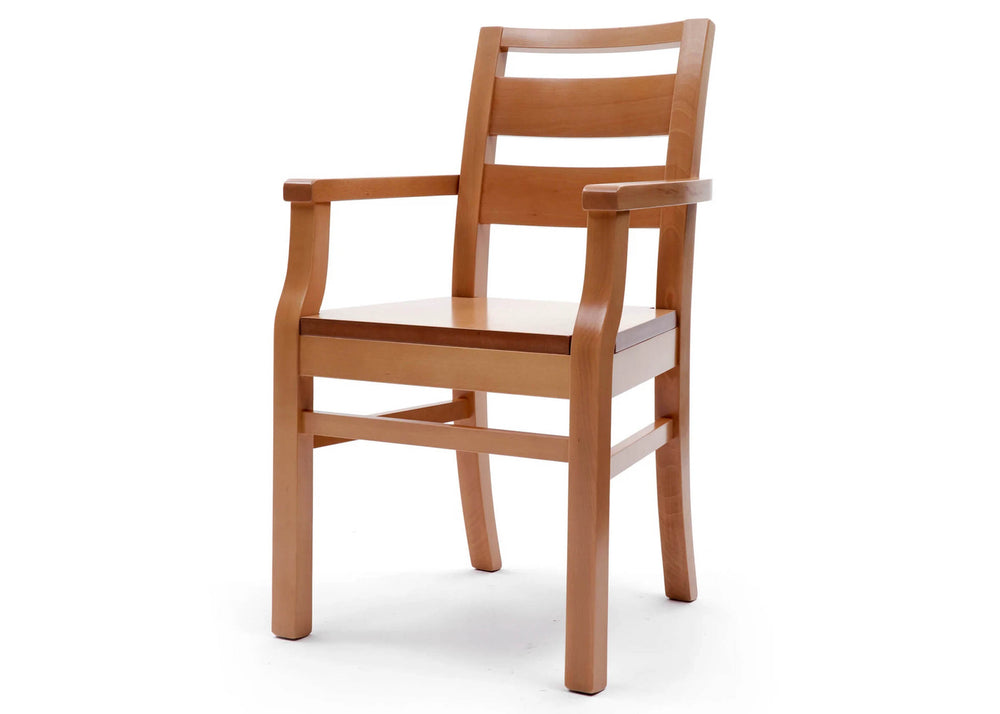
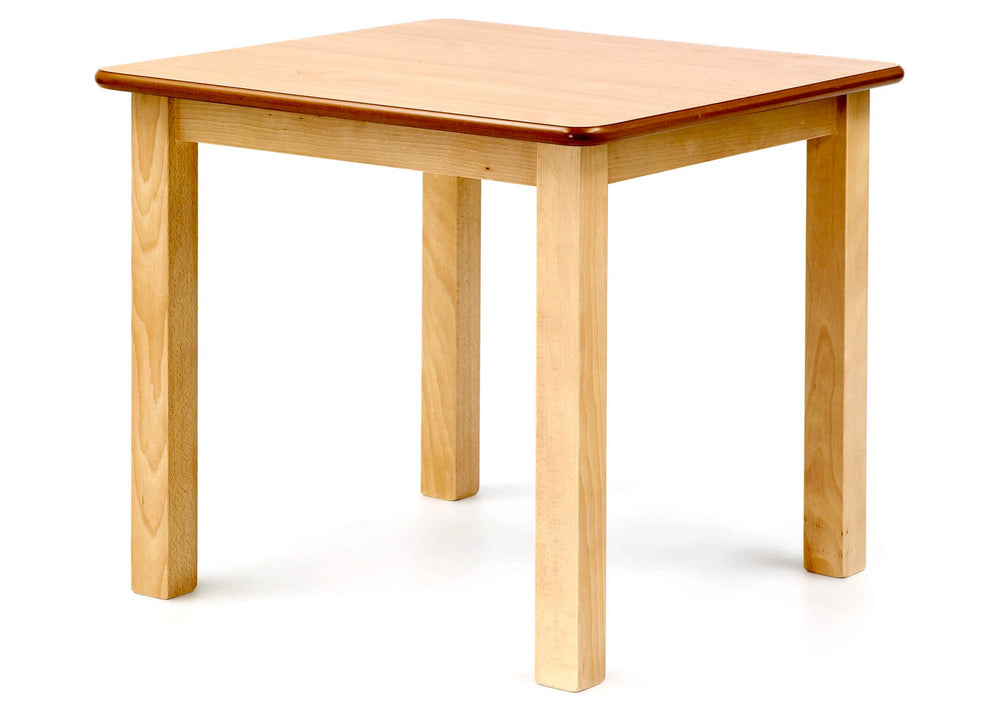
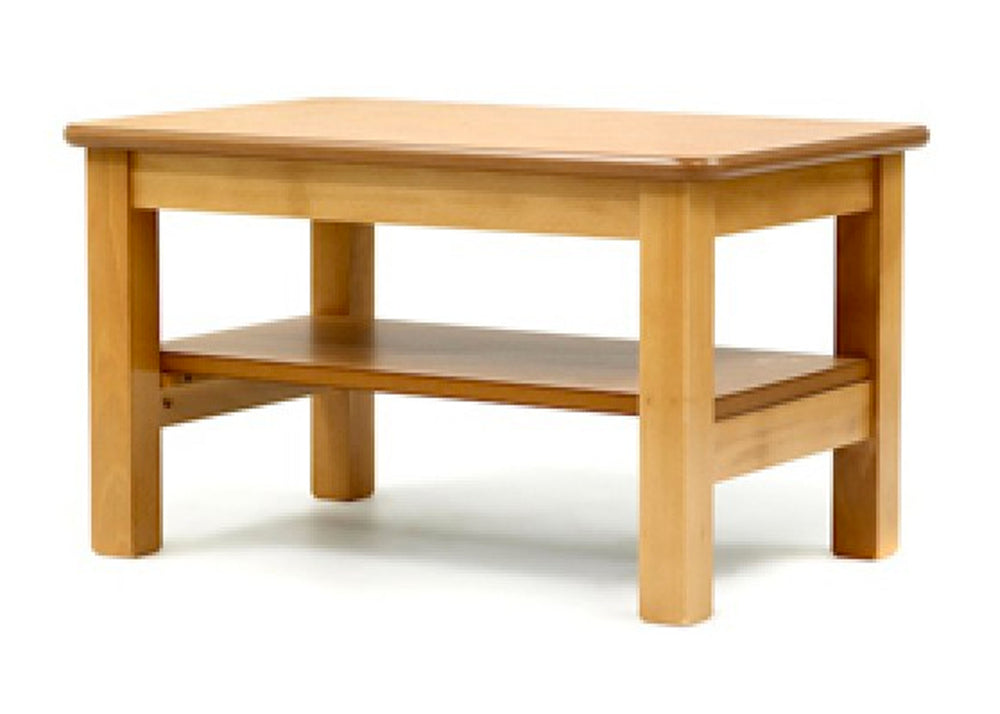
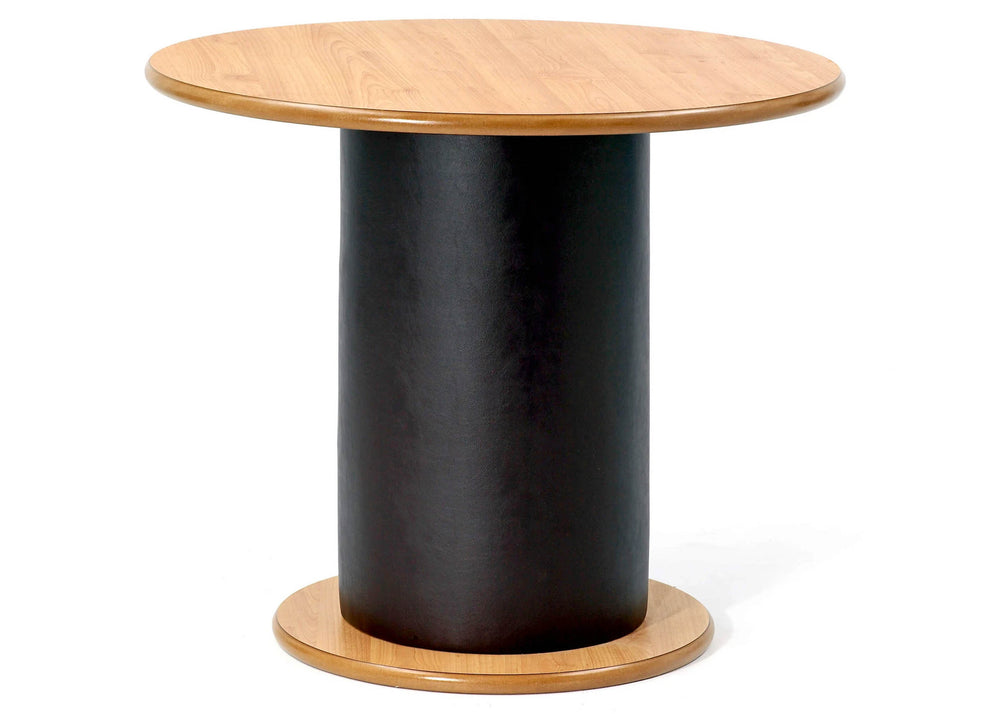
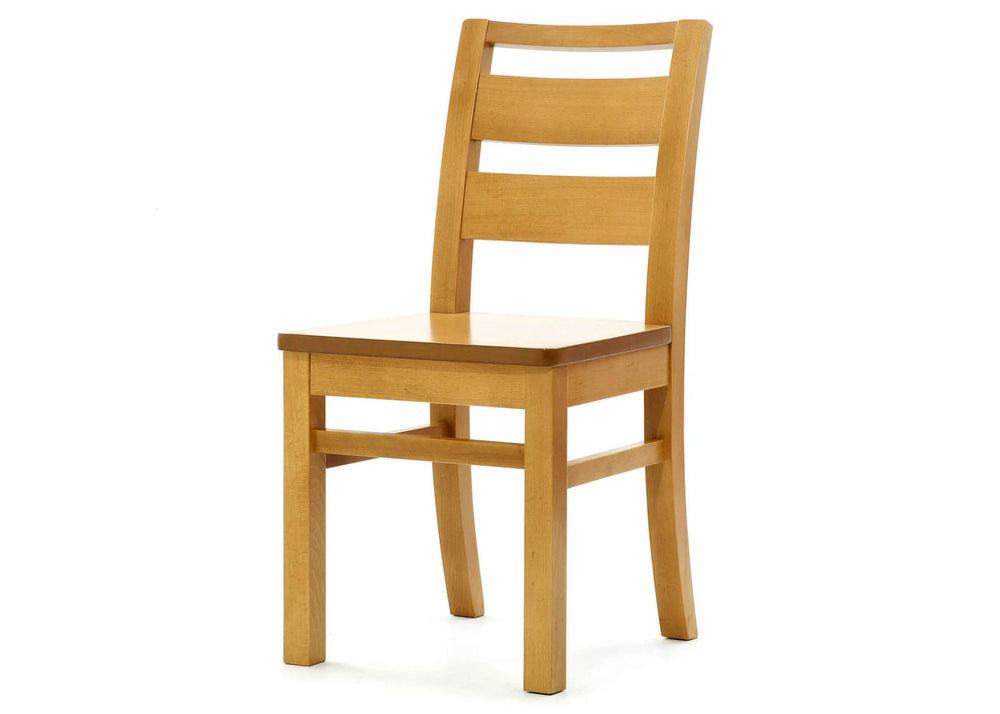
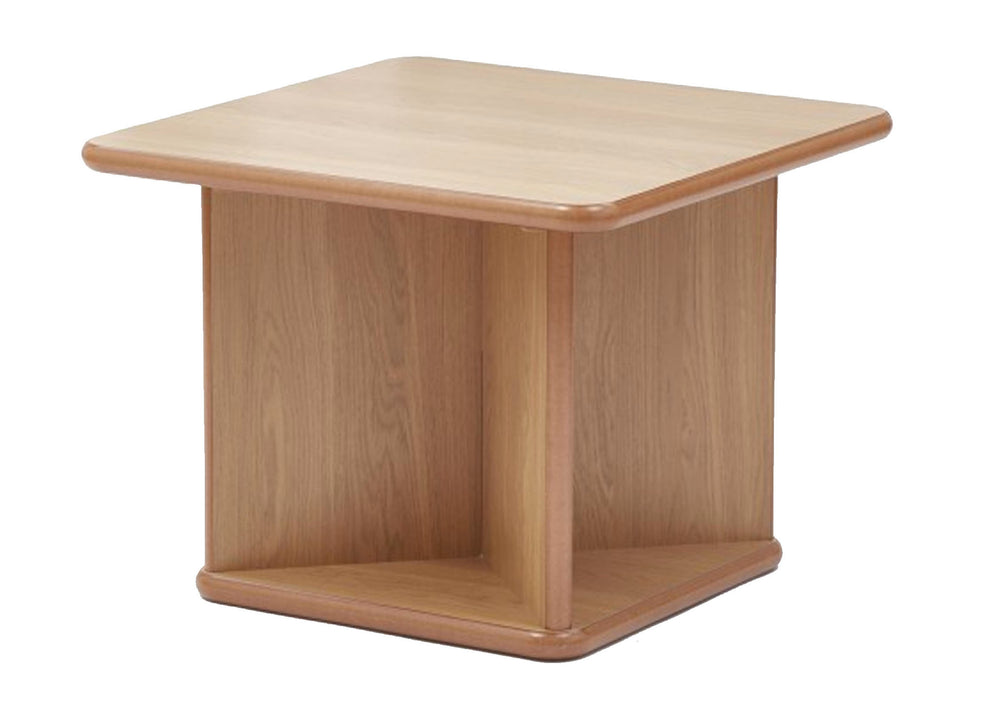
Tables and seating within dining rooms and activity spaces are often moved frequently and may experience repeated impact. Stability, robust connection points, suitable edges and straightforward cleaning should therefore be considered alongside the practical needs of the activity taking place.
Room layout matters too. Adequate circulation space, sensible positioning and furniture that remains accessible for inspection and maintenance can make shared areas easier to manage.
Hygiene, Cleaning and Ongoing Maintenance
Furniture used in mental health facilities should be practical to clean, inspect and maintain. This is particularly important in shared environments where beds, seating and storage may be used continuously by different service users.
Surfaces should be considered for how easily they can be wiped down and whether repeated cleaning is likely to affect finishes, coverings or exposed materials. Upholstered furniture may also require fabrics that are suitable for regular cleaning and, where necessary, offer appropriate resistance to moisture or staining.
Furniture design can affect how straightforward inspection and cleaning are. Inaccessible gaps, enclosed voids and difficult-to-reach areas may make routine checks harder, while simpler construction can provide clearer access for maintenance teams.
Regular inspection should accompany routine cleaning. Loose fixings, damaged surfaces, movement, torn upholstery or exposed internal components should be identified early, particularly where deterioration could affect the continued suitability of the furniture.
Reinforced Beds Insight
Durability is not only about resisting impact. Furniture in demanding environments also needs to remain practical to inspect, clean and maintain throughout its service life.
Choosing Furniture for Different Areas of a Mental Health Facility
Furniture requirements can vary considerably between different areas of a mental health facility. A bedroom, communal lounge and dining space may all serve the same group of people, but the risks, frequency of use and practical requirements within each environment can be very different.
Mental Health Bedroom Furniture
Bedrooms require a balance between privacy, comfort and appropriate risk management. Beds, mattresses, bedside storage and wardrobes should be considered not only for durability, but also for their construction, accessibility and suitability for the individual environment.
Depending on the assessed level of risk, considerations may include removable components, exposed fixings, enclosed storage, potential concealment points and whether furniture can be moved or dismantled. Mattress specification may also be important where resistance to damage, fluid ingress or repeated cleaning is required.
For environments where greater structural strength and resistance to challenging use are required, our beds for challenging behaviour provide options designed around more demanding care and residential settings.
Lounges and Communal Areas
Communal areas often experience some of the highest levels of continuous use within a facility. Sofas, chairs and other shared furniture therefore need to be considered for stability, durability, ease of cleaning and the number of removable or accessible components they contain.
Comfort remains important. These areas are often used for relaxation, social interaction and everyday activities, so overly institutional furniture can work against the aim of creating a calmer and more welcoming environment. The challenge is to achieve an appropriate balance between a domestic appearance and the level of robustness required.
Where a heavier-duty specification is needed, our specialist furniture range includes seating and other furniture intended for more demanding environments. We also offer heavy-duty sofas for settings where additional structural durability is a priority.
Dining and Activity Areas
Dining rooms, activity spaces and other shared areas have their own requirements. Tables and seating may be moved frequently and exposed to repeated impact, so stability, fixing methods, edge design and ease of maintenance should all form part of the specification.
The layout of the room should also be considered alongside the furniture itself. Clear circulation routes, sufficient space between items and furniture that can be inspected easily can all contribute to a safer and more manageable environment.
Rather than applying one furniture specification throughout an entire mental health unit, each area should be assessed according to how it is used, who uses it and the risks associated with that particular space.
Safety Does Not Have to Mean an Institutional Environment
Furniture selected for mental health facilities does not have to look overtly clinical or institutional. Where it is appropriate to the assessed level of risk, more domestic-looking furniture can help create bedrooms, lounges and shared spaces that feel calmer, more comfortable and less restrictive.
Colour, finish, upholstery and overall form can all influence how a room feels. Softer finishes, warmer tones and familiar furniture styles may help an environment feel more welcoming, particularly in residential and longer-stay settings where comfort and dignity are important parts of everyday use.
These considerations should not replace safety requirements, but they can form part of the same specification process. The aim is to avoid treating robustness and therapeutic design as opposing ideas. In many cases, furniture can be selected to provide the required level of durability while still contributing positively to the character of the space.
The appropriate balance will vary between environments. Higher-risk settings may require more restrictive design choices, while lower-risk areas may allow greater flexibility in materials, colours and furniture styles.
Reinforced Beds Insight
Robustness and a more domestic appearance are not mutually exclusive. The most suitable furniture is the furniture that meets the required safety and durability specification while still supporting the intended character and use of the space.
Mental Health Furniture Procurement Checklist
When specifying furniture for a mental health facility, it helps to assess each product against the practical requirements of the room rather than relying on a broad label such as “heavy-duty” or “anti-ligature”. The checklist below covers the main areas to review before making a decision.
| Check | What to Assess |
|---|---|
| Environment | Whether the furniture is intended for a bedroom, lounge, dining area or another shared space. |
| User Requirements | The needs of the intended service users and the level of risk identified within the setting. |
| Stability | Whether the furniture can be moved, tipped or lifted and whether additional fixing or weighting is required. |
| Construction | Joints, exposed fixings, removable components and areas that could loosen or be dismantled. |
| Ligature Considerations | Potential attachment points, gaps, handles, rails and fittings relevant to the assessed environment. |
| Concealment | Enclosed voids, inaccessible spaces, drawers and removable cushions or panels that may be difficult to inspect. |
| Cleaning | How easily surfaces, fabrics and surrounding areas can be cleaned and inspected. |
| Durability | The expected frequency and intensity of use, including repeated movement, impact and maintenance. |
| Appearance | Whether the product supports a comfortable, dignified and appropriately therapeutic environment. |
No single feature determines whether a product is suitable for a mental health setting. The final specification should reflect the combined requirements of the room, its users and the risks identified within that environment.
When Is Specialist Mental Health Furniture Appropriate?
Specialist furniture may be appropriate when conventional domestic or contract furniture cannot provide the construction or safety characteristics required for a particular mental health environment. This might include situations where greater resistance to impact, movement, tampering or dismantling is necessary, or where specific features are required to reduce concealment or ligature opportunities.
It is useful to distinguish between these requirements. A heavy-duty product primarily addresses structural durability, while anti-tamper, reduced-ligature and simplified-storage designs address different types of risk. A product may incorporate one of these characteristics without incorporating all of them.
For facilities requiring more robust options, our specialist furniture range includes products intended for demanding residential, care and institutional environments. Individual product specifications should always be reviewed against the requirements of the intended setting.
Final Thoughts
Choosing the right mental health facility furniture is about matching the product to the demands of the environment. Construction, stability, hygiene, ligature considerations, concealment and maintenance may all influence the specification, alongside comfort and the character of the space.
A stronger or heavier product is not automatically the most appropriate choice, just as a specialist safety feature does not make furniture universally suitable. The objective is to identify the characteristics required for the particular room and select furniture that meets them.
Where a more robust specification is required, you can explore our specialist furniture range for products designed for more demanding residential, care and institutional environments. We have also curated a collection of bed frames suitable for challenging behaviour.

Nicholas Forth

Director
Nick has put his 15 years of industry expertise into his blog posts. With the goal of making customers more informed, he provides insight into bed design, durability, and the best choices for different lifestyles and needs. His writing combines technical knowledge with practical advice, helping readers understand what really matters when choosing a bed or mattress. Whether breaking down material differences, exploring trends in bedroom design, or sharing tips on maximising comfort, he ensures every post is both educational and easy to follow.