Posted by Nicholas Forth
on September 26, 2020

Care home bedroom furniture should be chosen around the needs of the resident, the expected level of use and the practical demands of the room. Durability matters, but so do access, hygiene, maintenance, comfort and compatibility between the bed, mattress and surrounding furniture.
A suitable bedroom specification will not be identical for every resident. Some rooms may only require robust residential-style furniture, while others may need specialist equipment based on individual care or mobility requirements. Looking at the bedroom as a complete environment helps ensure that each item works together rather than being selected in isolation.
This guide explains the main points to consider when specifying beds, mattresses, storage furniture and bedroom layouts for care environments.
What Should Care Home Bedroom Furniture Prioritise?
Care home bedroom furniture should prioritise resident suitability, durability, hygiene, accessibility, maintenance and room layout. Strength is important, but it should form part of a wider specification rather than being the only factor considered.
Furniture needs to suit the resident using the room, the level of assistance they may require and the way the space is managed day to day. Beds, mattresses and storage furniture should also be straightforward to inspect, clean and maintain, particularly where rooms are in frequent use.
Room dimensions and access routes matter just as much. A robust bed or wardrobe can still be unsuitable if it restricts movement, makes cleaning difficult or leaves insufficient space for staff, mobility equipment or other essential furniture.
For a broader look at furnishing care environments beyond individual bedrooms, see our guide to choosing care home furniture.
Start With the Resident, Not the Furniture
The starting point for any care home bedroom should be the needs of the resident. Furniture that is strong and durable may still be unsuitable if it makes everyday movement, transfers or access more difficult.
Mobility, Transfers and Everyday Access
Consider how the resident gets into and out of bed, whether staff assistance is required and whether mobility equipment needs to be used alongside the bed. Bed height, access around the frame and the position of bedside furniture can all affect how practical the room is to use.
Storage should also be easy to access without creating unnecessary obstacles. Drawers, wardrobe doors and bedside cabinets need sufficient clearance to open properly while leaving usable space around the bed.
Different Residents May Require Different Furniture
Not every care home bedroom requires the same specification. Some residents may be well suited to robust residential-style furniture, while others may require specialist equipment such as profiling or adjustable beds based on their assessed care needs.
Reinforced Beds Insight: The strongest item of furniture is not automatically the most suitable. Strength, access, care requirements and room layout should be considered separately before choosing a final specification.
Choose the Bed Frame for the Expected Level of Use
A care home bed frame should be specified for the expected level of use, rather than selected on appearance or a heavy duty label alone. Construction, support, joints, fixings and the stated user weight limit all need to be considered.
Look Beyond the Heavy Duty Label
Where durability is important, look at how the frame is built and supported. Bed base construction, the strength of joints, access to fixings and the ability to inspect components over time are all relevant to long term use.
The expected pattern of use also matters. A bed used by one relatively mobile resident may have different requirements from one used in a room where frequent transfers, higher body weight or more demanding day to day use are expected.
Fixed Beds and Specialist Adjustable Beds Are Different
A reinforced fixed bed is not a substitute for a profiling or variable height bed where specialist functions are required. If the resident needs adjustable positioning, variable height, side rails or other clinical features, these should be assessed separately as part of the care requirement.
For more detail on choosing between different bed types, see our guide to choosing beds for care homes.
Specify the Mattress Alongside the Bed
The bed and mattress should be specified together. A suitable bed frame cannot compensate for a mattress that is the wrong size, depth, support level or type for the resident using it.
Check that the mattress dimensions match the bed correctly and that any stated user weight guidance is appropriate. Mattress depth may also matter where the bed has raised sides, safety rails or other features that affect the usable sleeping surface.
In some care environments, a waterproof or wipe-clean mattress may be useful where easier cleaning or protection from fluids is required. This should be chosen according to the needs of the resident and the cleaning procedures used within the setting, rather than assumed to be necessary in every room.
Where pressure care, specialist positioning or other clinical requirements are involved, the mattress should be selected as part of the residents assessed care needs and used in accordance with the manufacturers guidance.

Bedside Cabinets, Wardrobes and Storage Furniture
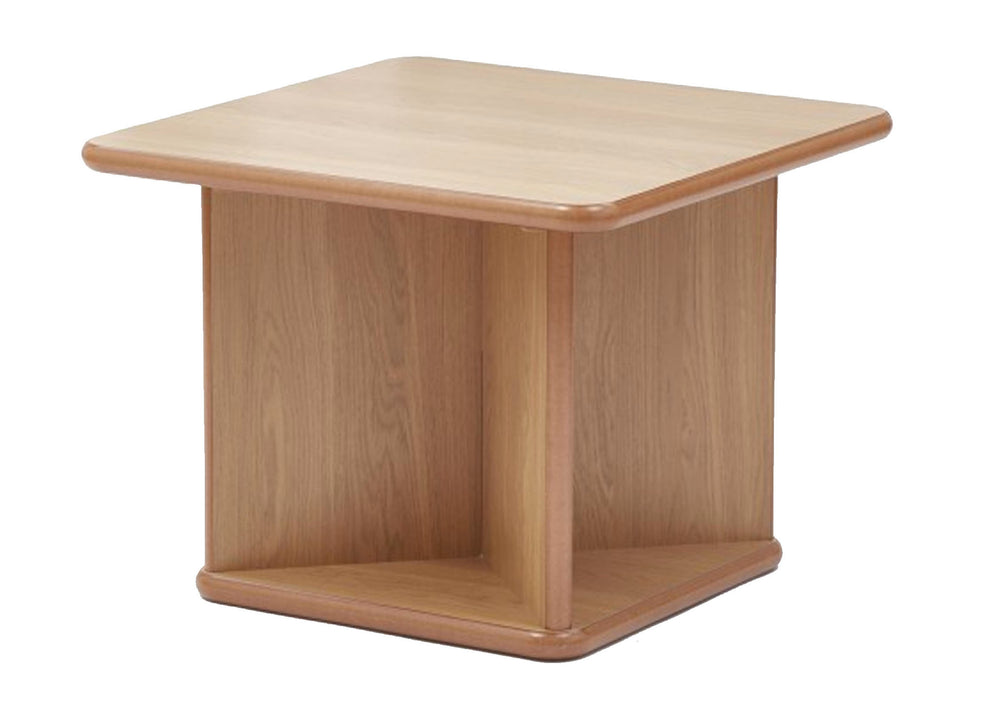
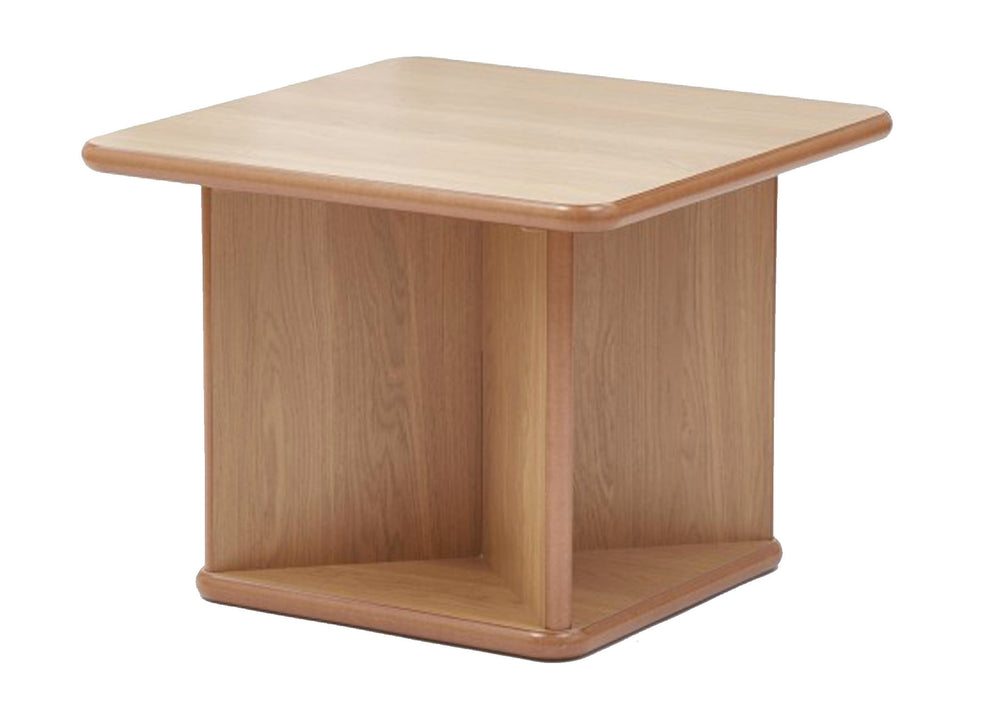
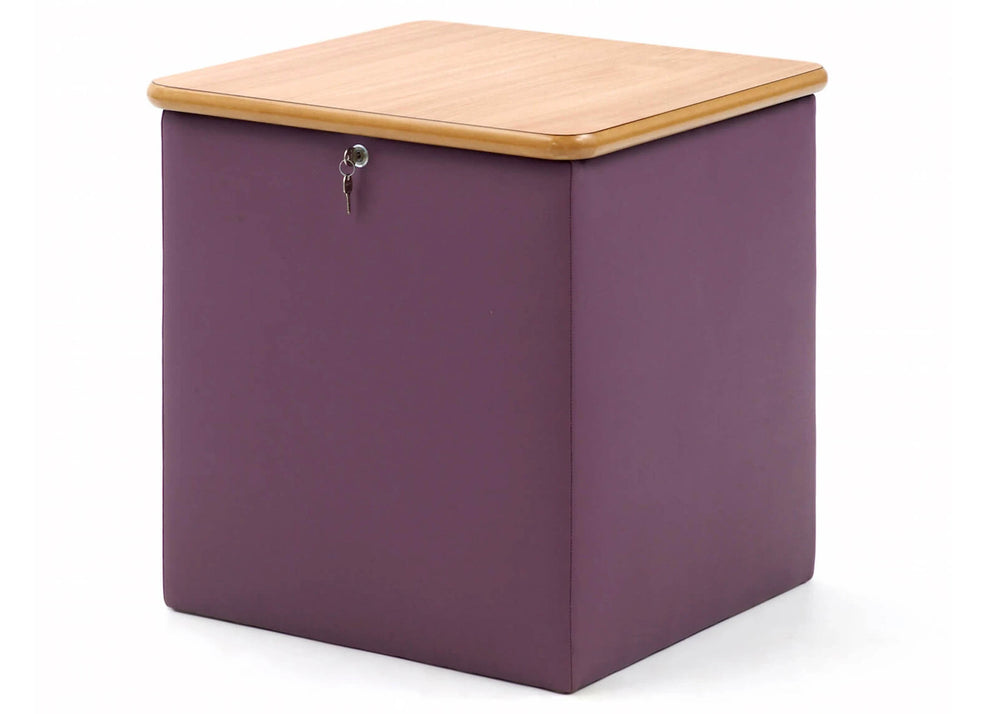
Care home bedroom storage should be practical, durable and easy for the resident to use. Bedside cabinets, wardrobes and drawer chests should provide useful storage without making the room feel crowded or restricting access around the bed.
Construction matters here too. Check the strength of joints, drawer runners, hinges and handles, particularly where furniture will be used frequently. Surfaces should also be suitable for the cleaning products and routines used within the care setting.
Furniture stability and positioning should be considered alongside storage capacity. Drawers and doors need enough clearance to open fully, while taller units should not obstruct movement through the room or access to other furniture.
For suitable supporting pieces, see our bedroom furniture collection.
Plan the Furniture Around the Room Layout
Furniture should be planned around the usable space in the bedroom, not just the nominal mattress or bed size. Always check the complete external dimensions of the bed frame, wardrobe, drawers and bedside furniture before finalising the layout.
Allow enough room for doors and drawers to open properly, for the resident to move around the room and for any mobility equipment to be used where required. Where staff provide assistance, the layout should also provide suitable access around the bed.
Access into the room matters as well. Doorways, corridors, staircases and other delivery routes should be checked where larger or heavier furniture is being specified.
A practical layout should also make routine cleaning and inspection straightforward. Avoid placing furniture so tightly together that fixings, flooring or surrounding surfaces become difficult to reach.
Cleaning, Inspection and Long-Term Maintenance
Care home bedroom furniture should be straightforward to clean, inspect and maintain throughout its working life. The initial purchase price is only one part of the specification, particularly where the same furniture type may be used across multiple rooms.
Check whether surfaces, finishes and upholstery are suitable for the cleaning products and procedures used within the care setting. Manufacturer cleaning instructions should always be followed, especially where specialist coatings, fabrics or mattress covers are involved.
Bed frames and storage furniture should also allow routine inspection of joints, fixings, supports, hinges and other working components. Loose or damaged parts should be addressed promptly rather than allowed to deteriorate further.
Where possible, it is also useful to consider the availability of replacement parts, warranty terms and how easily individual components can be repaired or replaced.
Reinforced Beds Insight: Furniture that is easy to inspect, clean and maintain can be simpler to manage across multiple bedrooms than furniture that is difficult to access or repair.
Care Home Bedroom Furniture Checklist
Before ordering care home bedroom furniture, check the following points:
- Is the furniture suitable for the individual resident and their care needs?
- Is the bed frame appropriate for the expected level of use?
- Does the mattress suit both the bed and the resident?
- Have the complete external dimensions of each item been confirmed?
- Is there enough space for movement, assistance and any mobility equipment?
- Can drawers, doors and cupboards open fully without obstructing access?
- Are surfaces and finishes suitable for the cleaning procedures used in the setting?
- Can joints, fixings and working components be inspected and maintained easily?
- Have all relevant product weight limits and manufacturer guidance been checked?
- Have any applicable fire safety, care and procurement requirements been confirmed?
Using the same checklist across multiple bedrooms can also make specifications more consistent and reduce the risk of important practical details being overlooked.
Choosing Care Home Bedroom Furniture
Good care home bedroom furniture should balance resident needs with durability, access, hygiene, maintenance and the practical limitations of the room. Beds, mattresses and storage should be considered together so that the finished space works safely and efficiently in day to day use.
Where specialist functions or clinical equipment are required, these should be assessed separately rather than assumed to be covered by a standard reinforced furniture specification.
For suitable options designed for demanding care environments, explore our care home beds collection.

Nicholas Forth

Director
Nick has put his 15 years of industry expertise into his blog posts. With the goal of making customers more informed, he provides insight into bed design, durability, and the best choices for different lifestyles and needs. His writing combines technical knowledge with practical advice, helping readers understand what really matters when choosing a bed or mattress. Whether breaking down material differences, exploring trends in bedroom design, or sharing tips on maximising comfort, he ensures every post is both educational and easy to follow.