Posted by Nicholas Forth
on August 08, 2020

Choosing furniture for a care home involves more than simply filling rooms. Every item must balance comfort, durability and practicality while helping create an environment that feels welcoming for residents, staff and visitors.
Unlike domestic furniture, care home furniture is often subjected to continuous daily use. Beds, seating and storage solutions need to withstand demanding environments while remaining comfortable and easy to maintain over the long term.
Whether you are furnishing a new facility or replacing existing products, understanding what separates specialist care home furniture from standard residential furniture can help you make better long-term decisions.
Care Home Beds Should Be Built for Daily Use
The bed is typically the most important item of furniture within any care home bedroom. Residents may spend significant periods resting or sleeping, making comfort and reliability essential.
When evaluating care home furniture, the strength and longevity of the bed should be a primary consideration. Specialist care home beds are designed specifically for demanding environments where durability, support and ease of maintenance are critical.
Choosing a robust bed frame alongside a suitable mattress can help improve resident comfort while reducing replacement and maintenance costs over time.
If you are comparing different options, our guide to the best beds for care homes explores the key features to look for.
Specialist Furniture Supports Practical Care Delivery
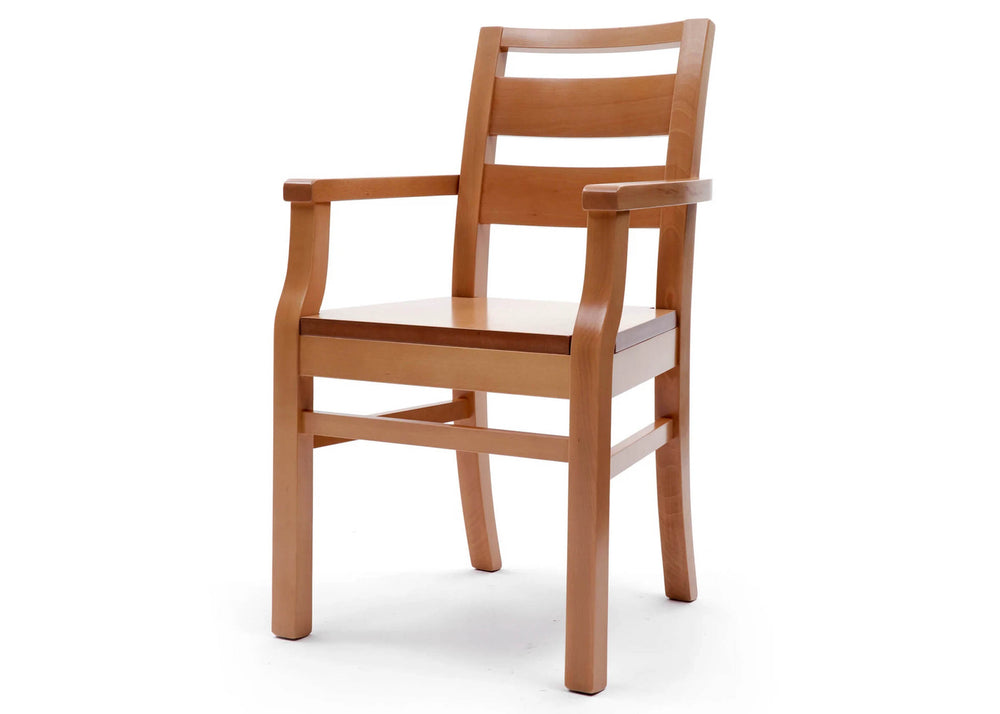
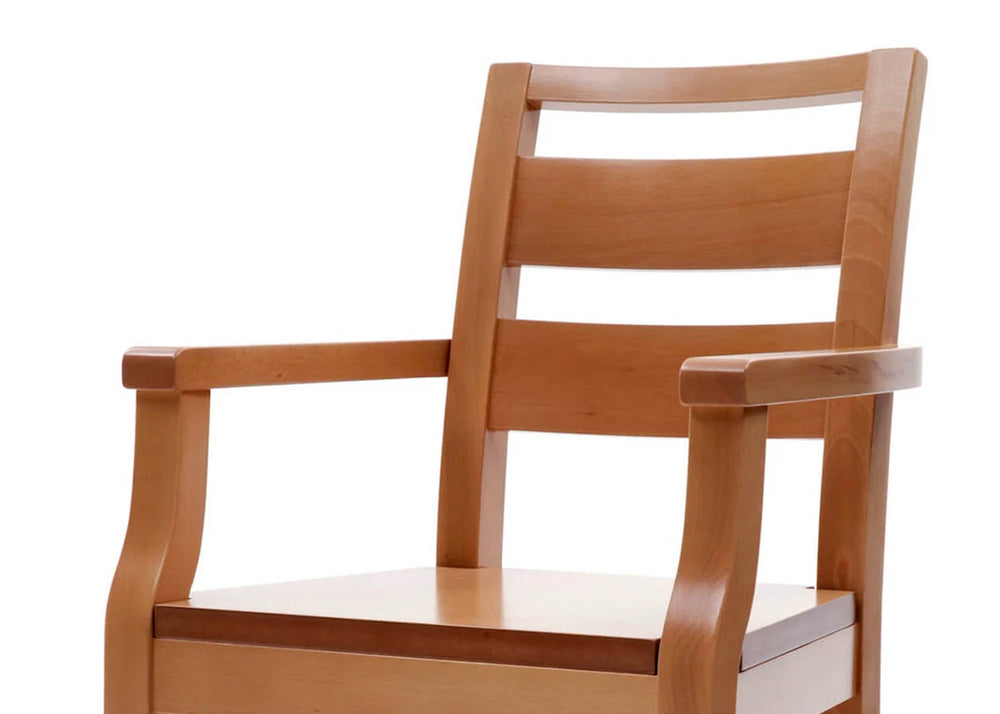
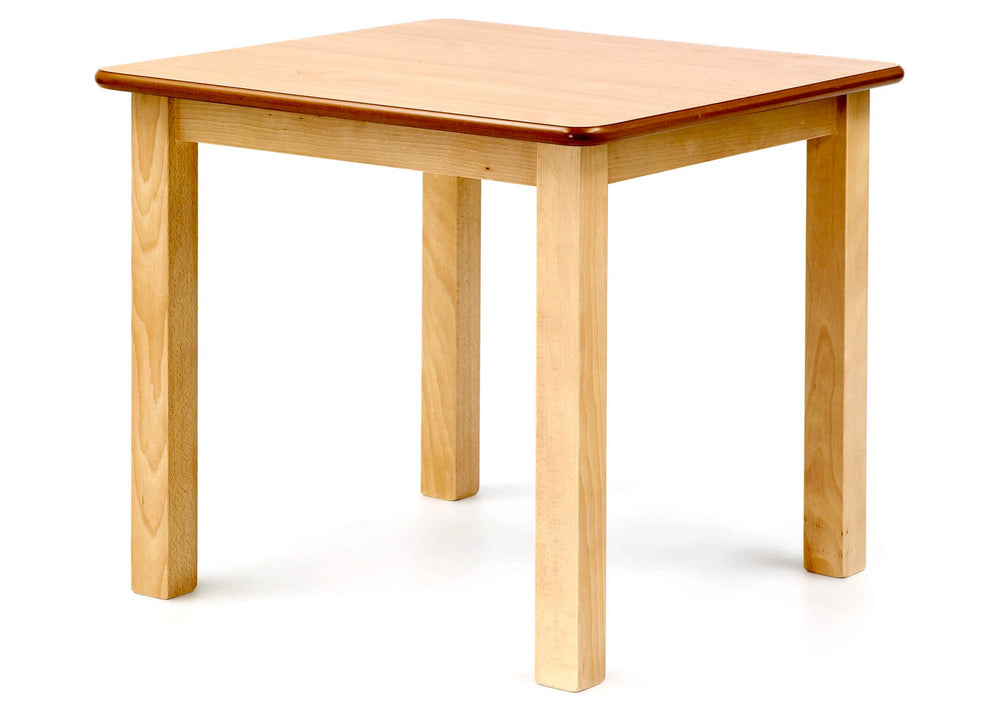
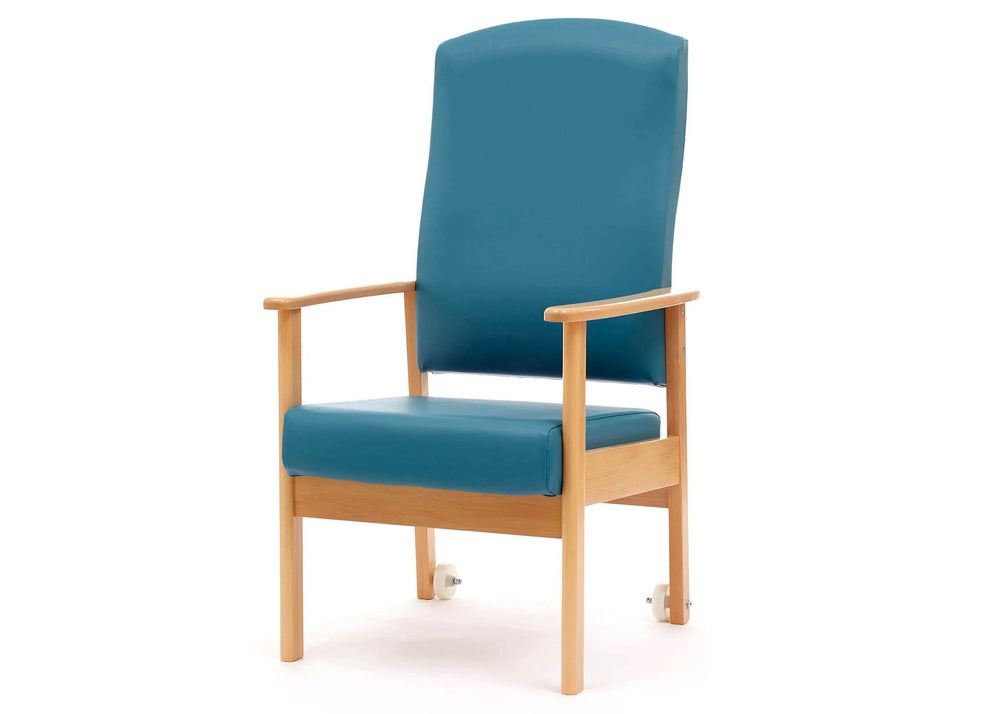
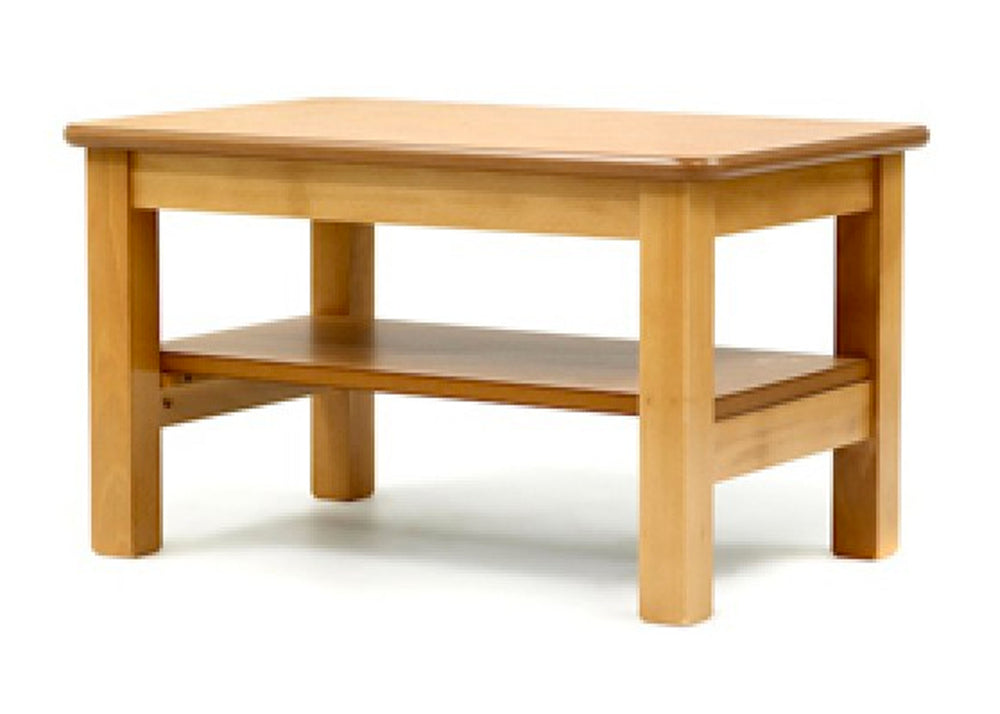
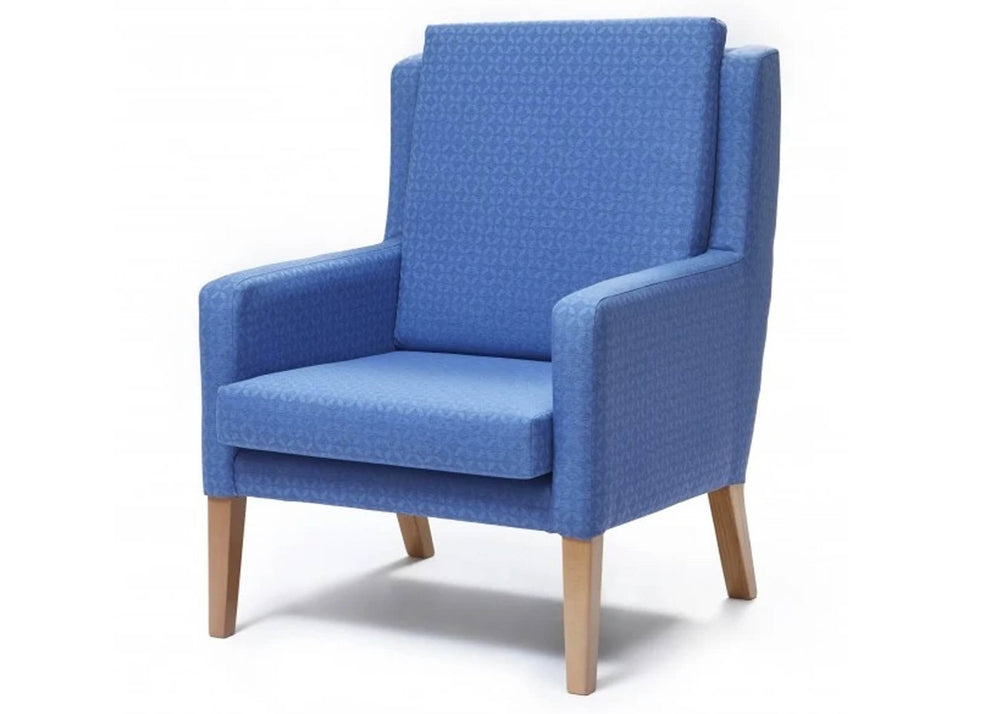
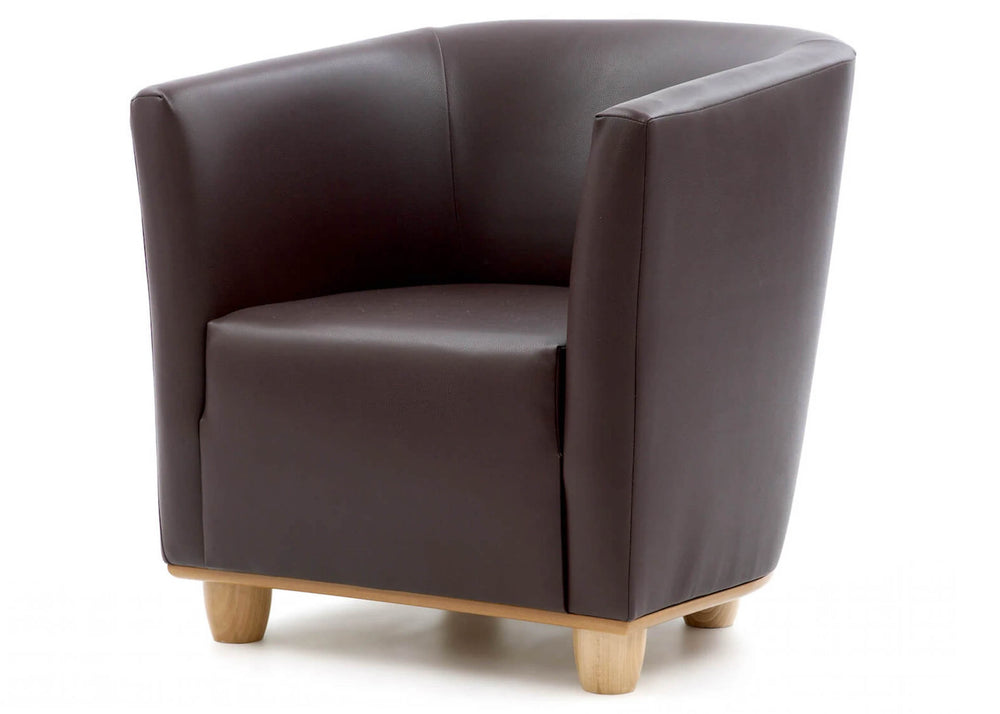
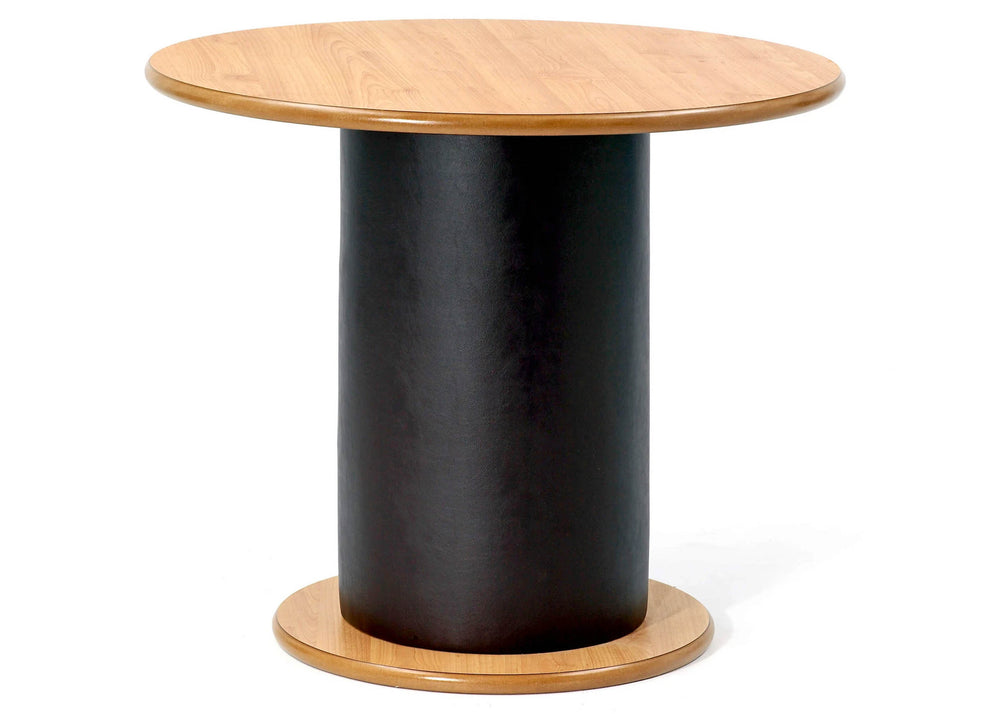
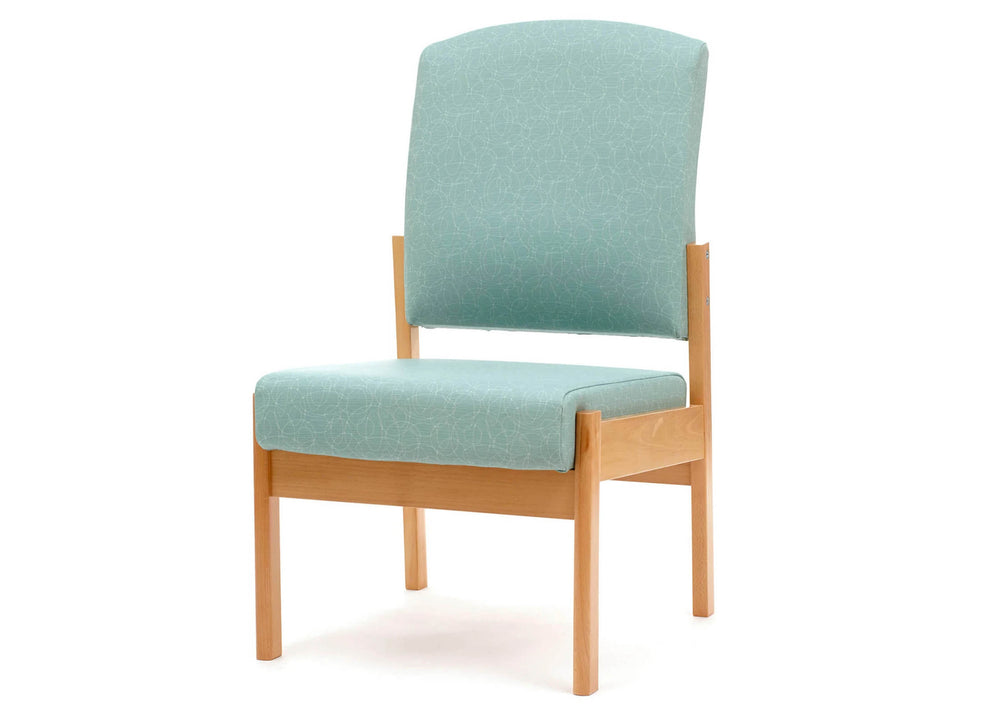
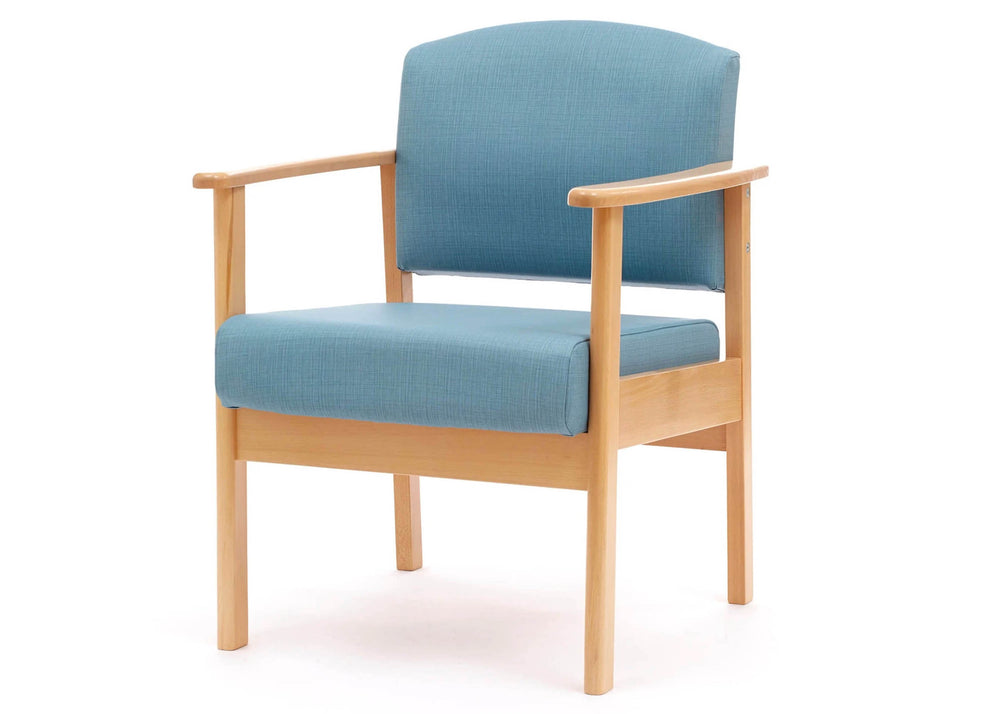
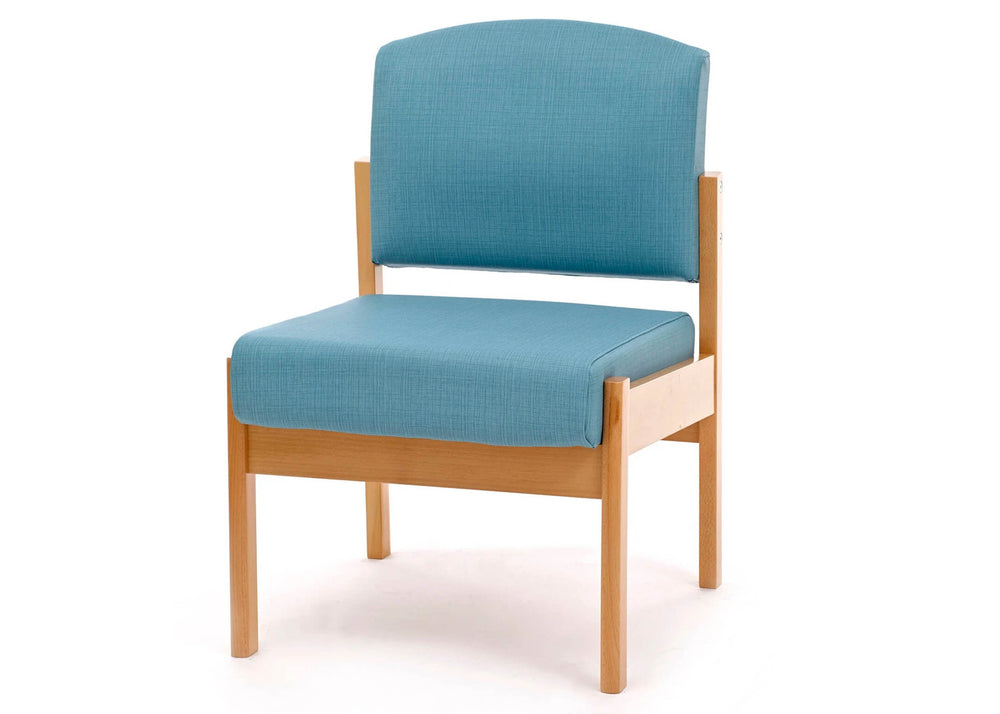
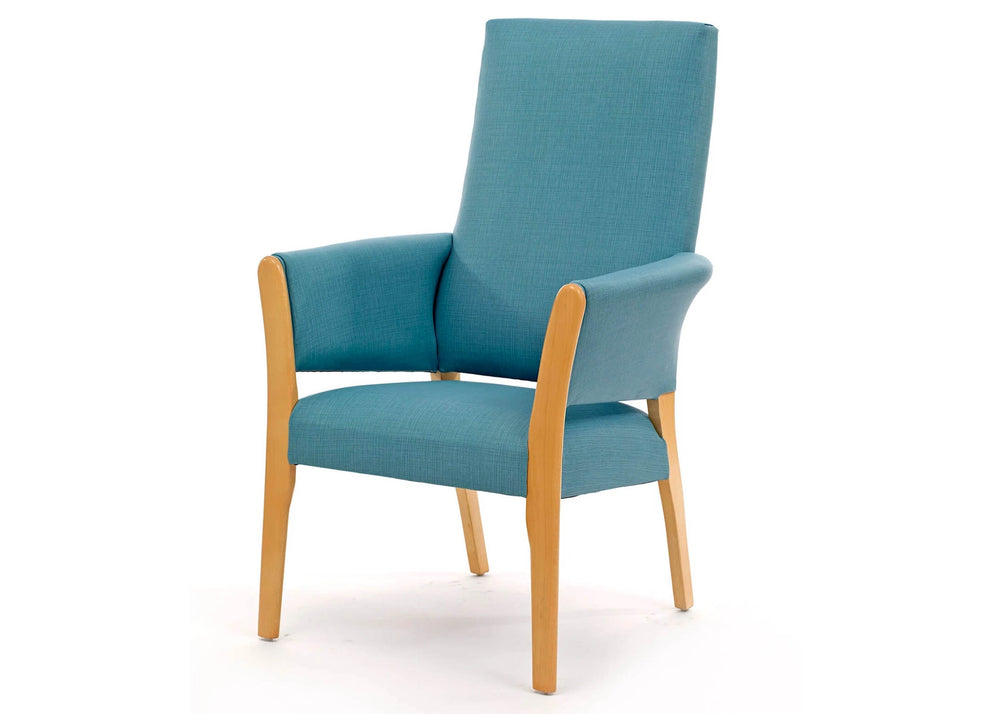
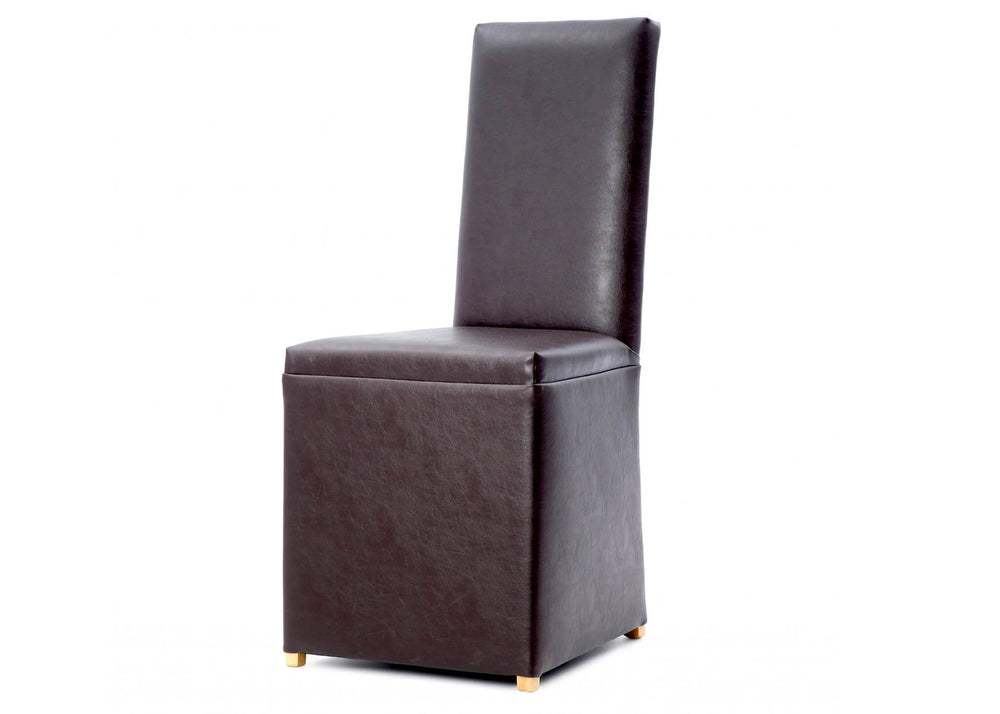
Beyond beds, care homes require furniture that can withstand regular use while supporting the needs of residents and care teams. Storage solutions, bedside cabinets, overbed tables and specialist seating all contribute to a functional and comfortable environment.
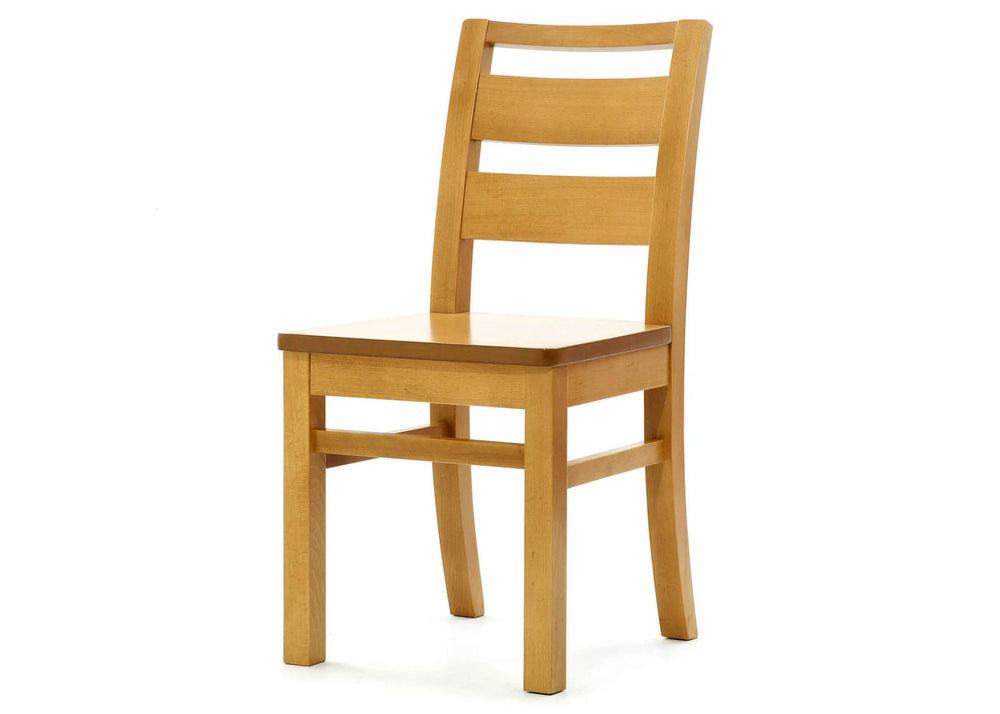
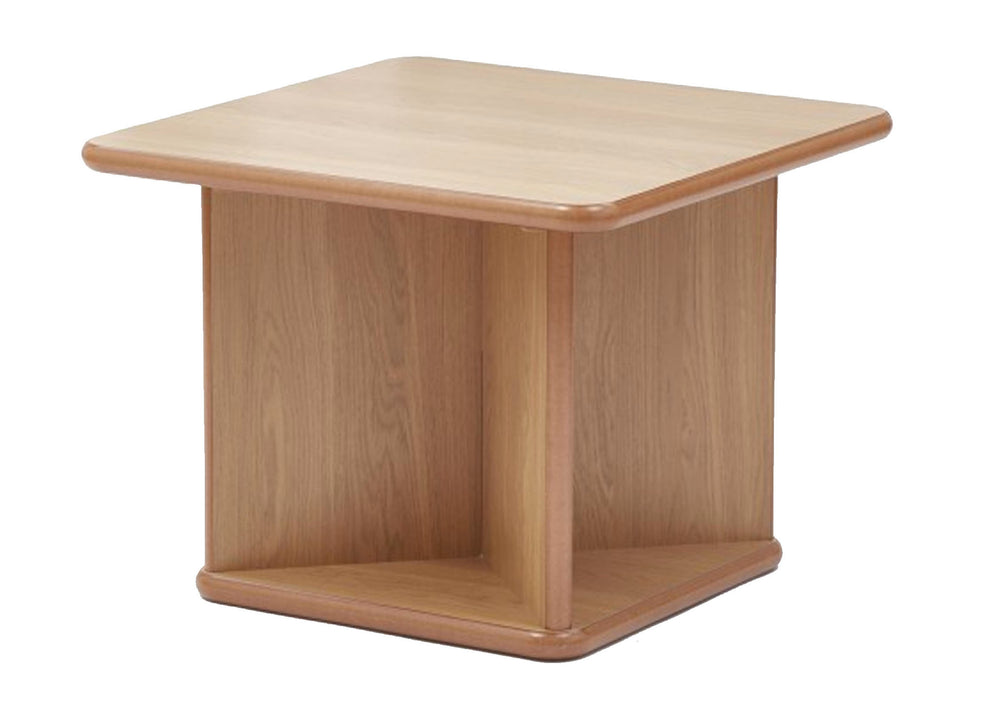
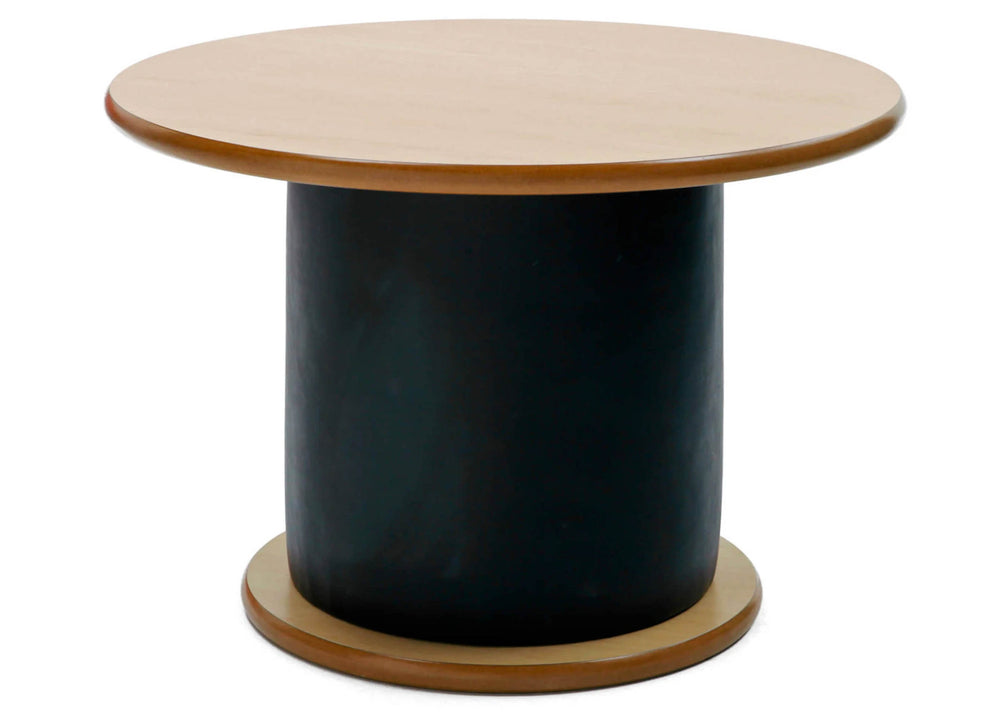
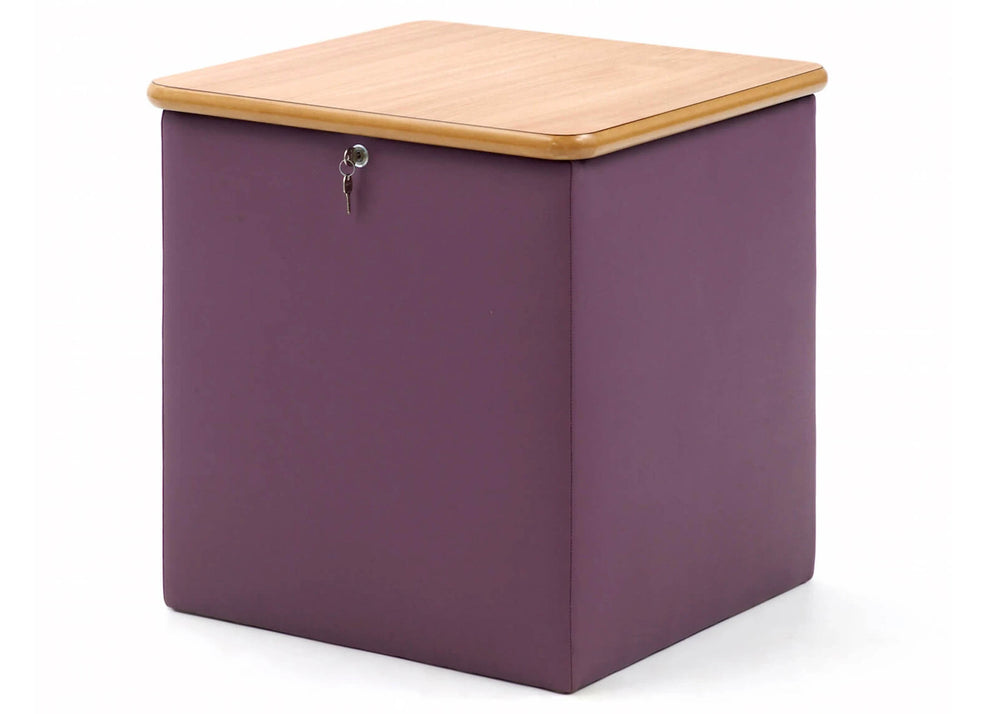
Many providers choose dedicated specialist furniture with rounded edges because it is designed with durability, safety and long-term performance in mind. Features such as reinforced construction, rounded edges and easy-clean surfaces can provide practical benefits in busy care settings.
Reinforced Beds Insight: The most cost-effective care home furniture is rarely the cheapest to buy. Products designed for continuous use often deliver better long-term value through improved durability and reduced replacement cycles.
Comfort and Appearance Matter Too
While durability is essential, care homes should still feel comfortable and welcoming. Furniture plays a major role in creating an environment that feels less institutional and more like home.
Thoughtful furniture selection can help create communal spaces that encourage social interaction while ensuring bedrooms remain comfortable and practical. Modern care home furniture is available in a wide range of finishes, colours and styles, allowing providers to balance aesthetics with operational requirements.
Choosing Quality Care Home Furniture
Investing in quality care home furniture can improve resident comfort, support daily operations and reduce long-term maintenance requirements. From beds and storage solutions to specialist furniture designed for demanding environments, durability should always be considered alongside comfort and appearance.
To learn more about selecting robust furniture for healthcare settings, read our guide on how reinforced furniture can support your health facility.
You can explore our collections of care home beds and specialist furniture designed for professional care environments.

Nicholas Forth

Director
Nick has put his 15 years of industry expertise into his blog posts. With the goal of making customers more informed, he provides insight into bed design, durability, and the best choices for different lifestyles and needs. His writing combines technical knowledge with practical advice, helping readers understand what really matters when choosing a bed or mattress. Whether breaking down material differences, exploring trends in bedroom design, or sharing tips on maximising comfort, he ensures every post is both educational and easy to follow.